Hawaii, Food Sovereignty, and the Radical Vision of Solution
There's something about Hawaii that doesn't just invite reflection—it demands it. Especially when you're moving through it slowly, on a bicycle, with nothing between you and the land.
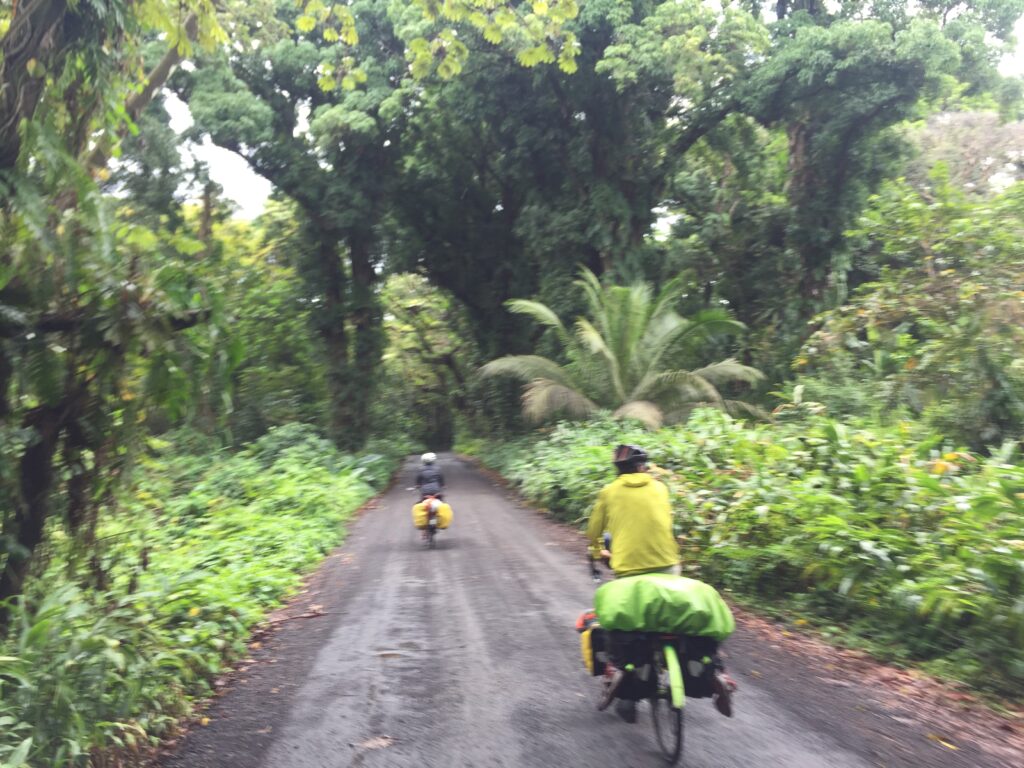
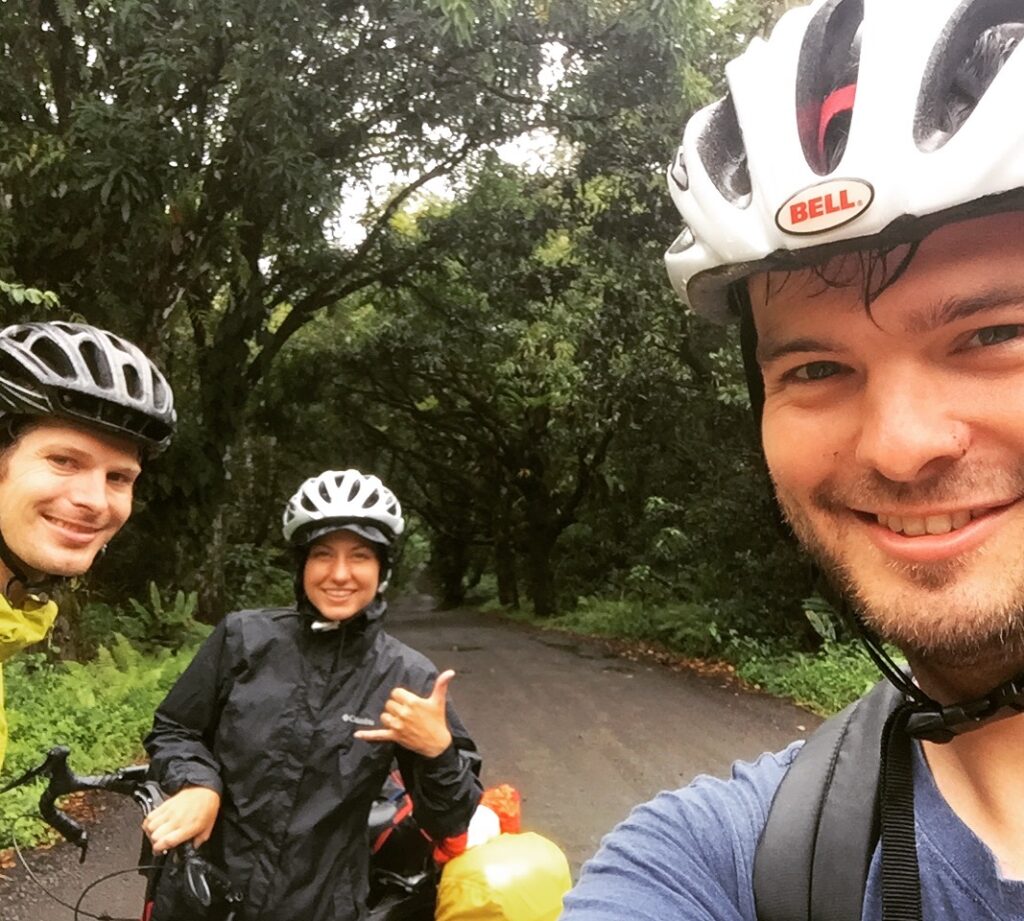
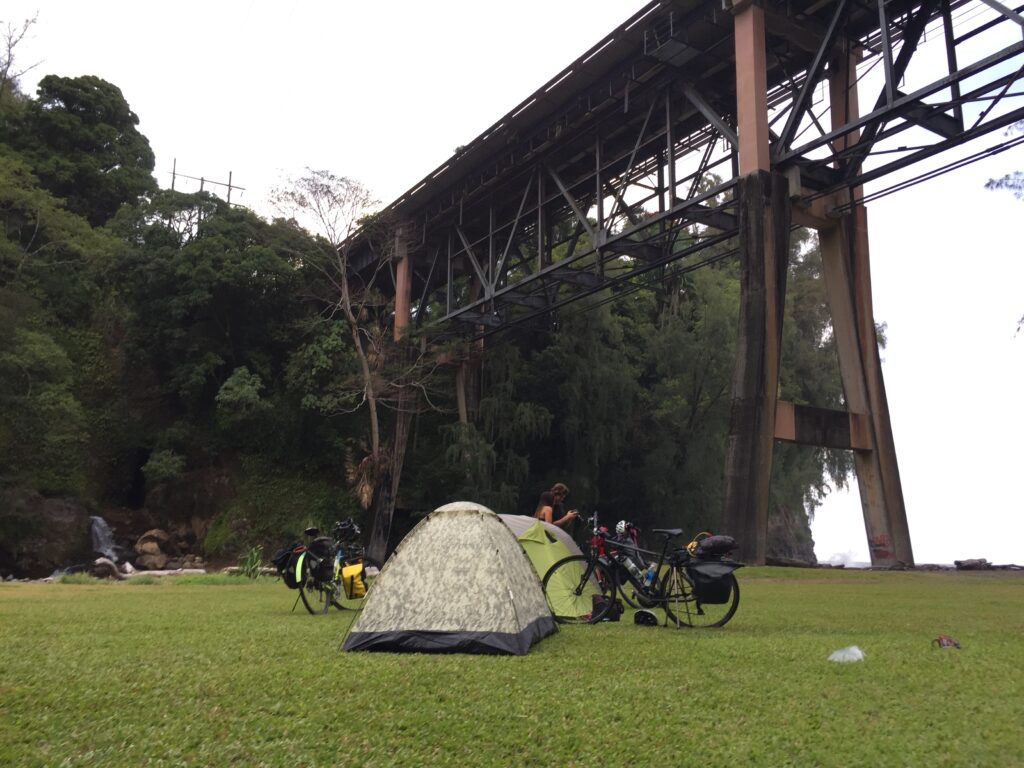
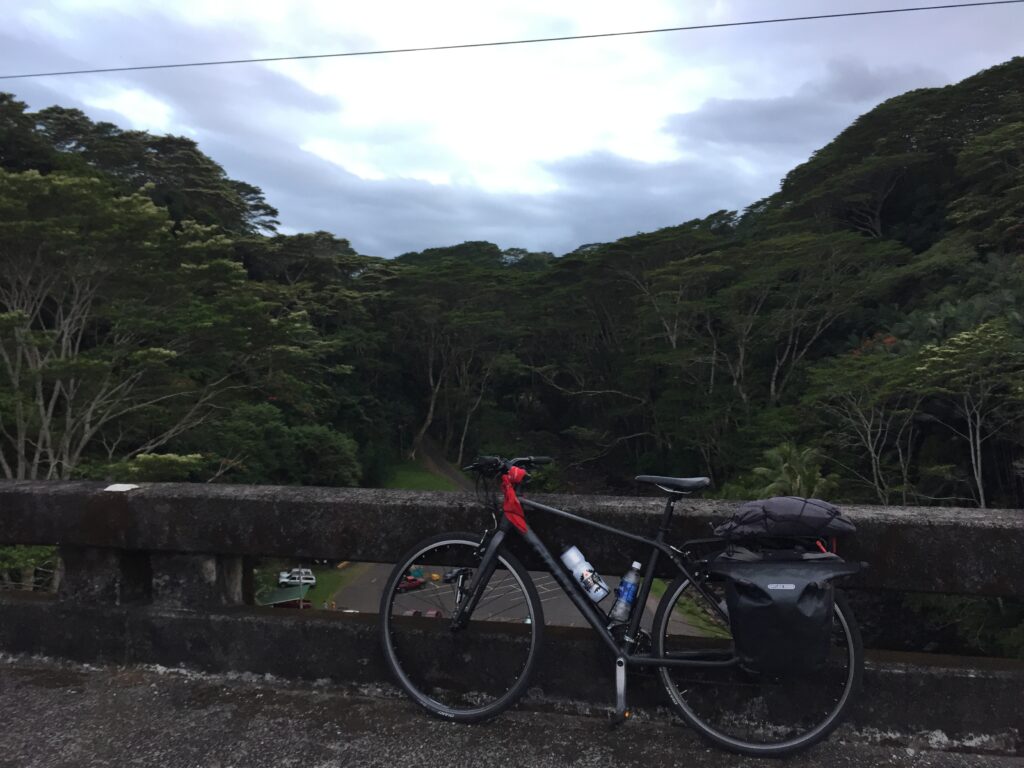
My introduction to the Big Island wasn't through a resort or a rental car. It came pedal by pedal—riding the circumference of the island, carrying macrobiotic food in my bags, eating simply, sleeping under the kind of skies that make the mainland feel like a distant abstraction. Lava fields gave way to rainforest. Ocean cliffs dissolved into cattle pasture. The island kept shifting beneath me, and the longer I rode, the more I understood that this place was trying to tell me something.
That journey—slow, physical, nourishing in the most literal sense—was how I first began to feel the contradiction at the heart of Hawaii. Here was an island of extraordinary fertility, and yet almost nothing on the plate in front of me had been grown here.
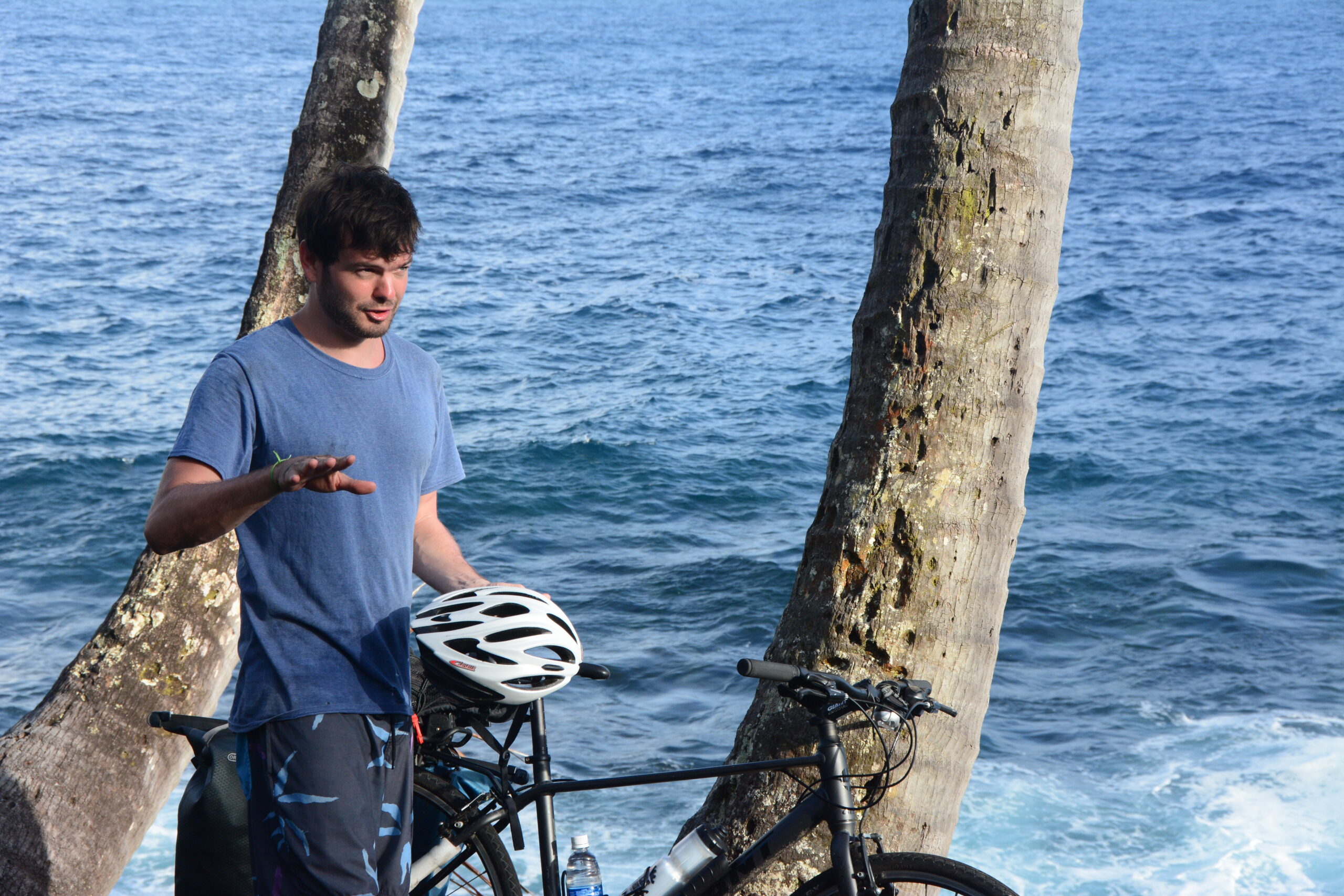
It was somewhere along that ride—between the Kohala coast and the Hilo side, the wind at my back and the Pacific stretching endlessly to my left—that I encountered a deeper truth about how we eat. And eventually, that truth led me to a man named Dash.
Beneath the postcard beauty, beyond the beaches and volcanic drama, the Big Island reveals what the modern food system has quietly done to even the most abundant places on earth.
Paradise with a Hidden Dependency
On the surface, Hawaii feels abundant. Fruit falls from trees, the ocean teems with life, and the climate allows food to grow year-round. But the reality is far more fragile.
of Hawaii's food is imported — an island chain capable of sustaining entire civilizations now almost entirely dependent on ships.
Any disruption—economic, environmental, or political—could leave the islands exposed almost overnight. But this wasn't always the case.
The Forgotten System That Once Sustained a Civilization
Before Western contact, Hawaii supported a population estimated in the hundreds of thousands through highly advanced agricultural systems:
Food wasn't just grown—it was engineered into the ecosystem. These systems weren't extractive. They were regenerative. Balanced. Intelligent. And most importantly—they worked.
Modernization replaced localization. Industrial agriculture replaced ecological harmony. And over time, the connection between people and their food quietly disappeared.
Rebuilding from the Ground Up
In a small, almost hidden corner of the Big Island, some are attempting something bold: reversing that disconnection.
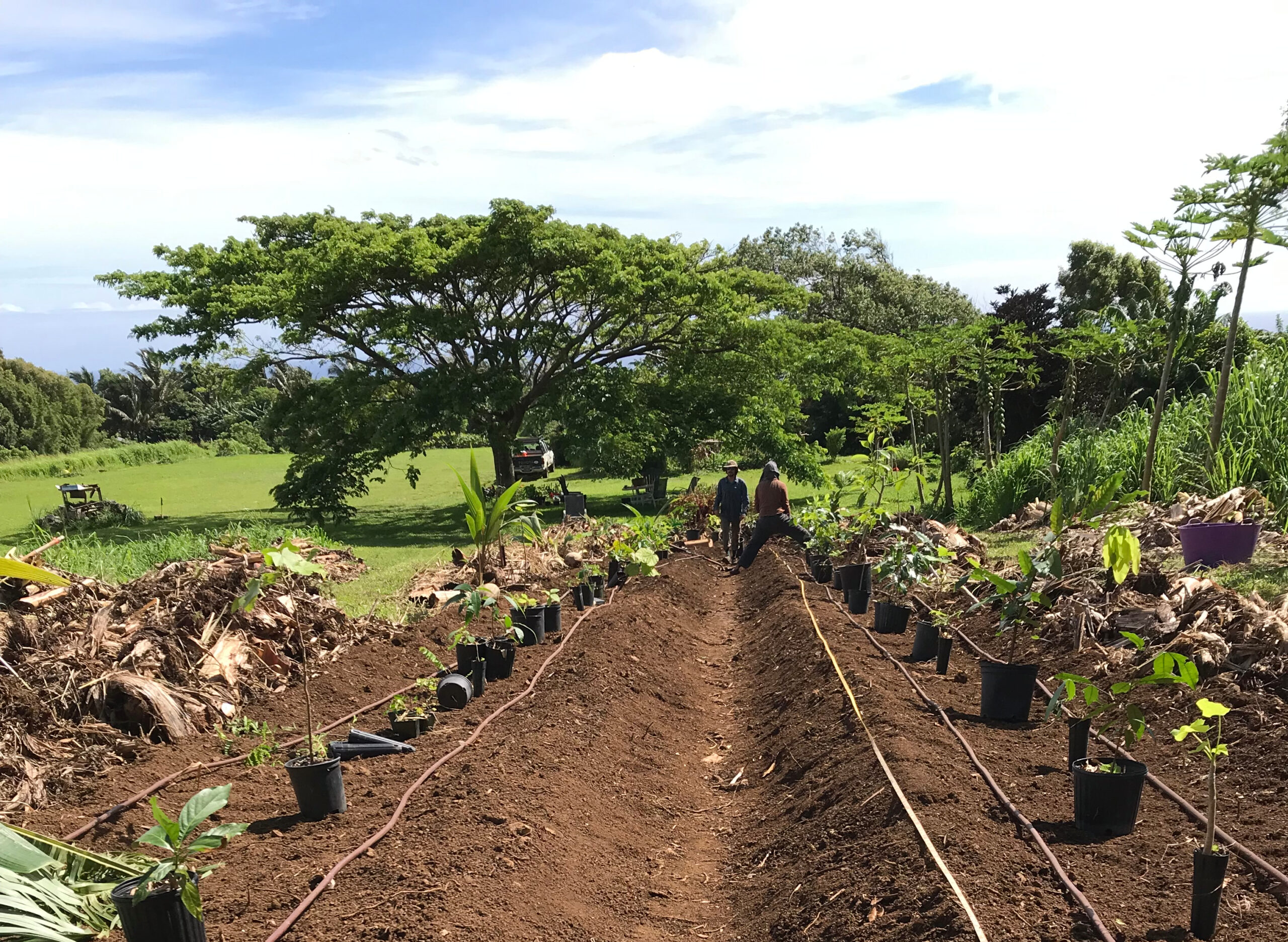
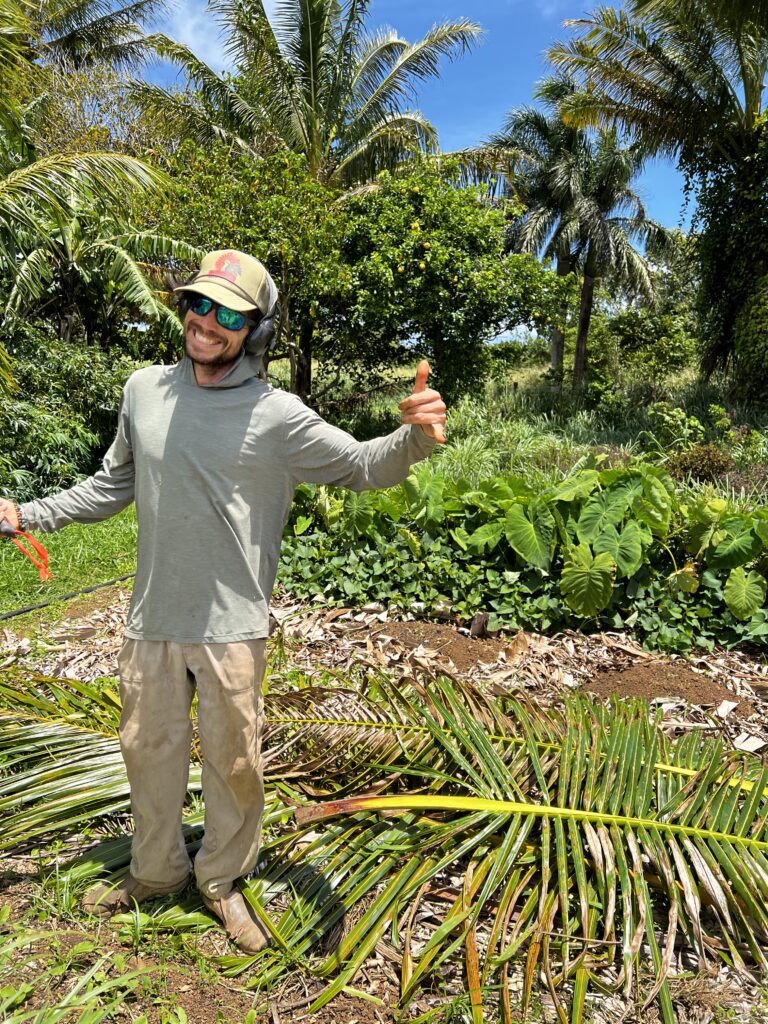
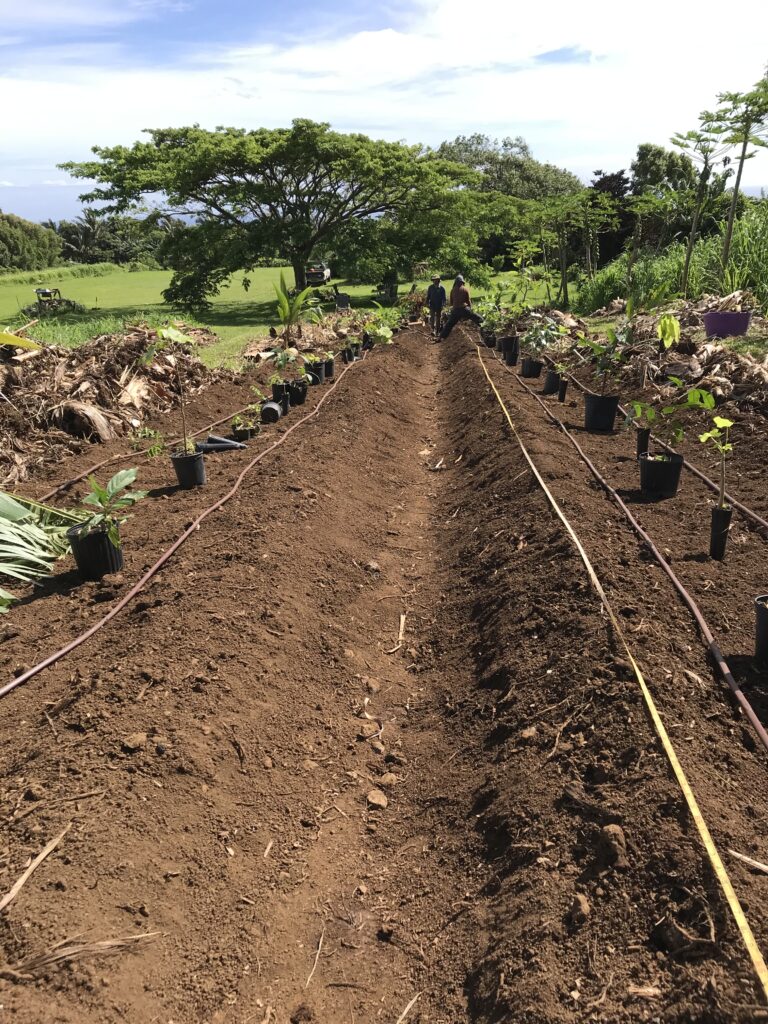
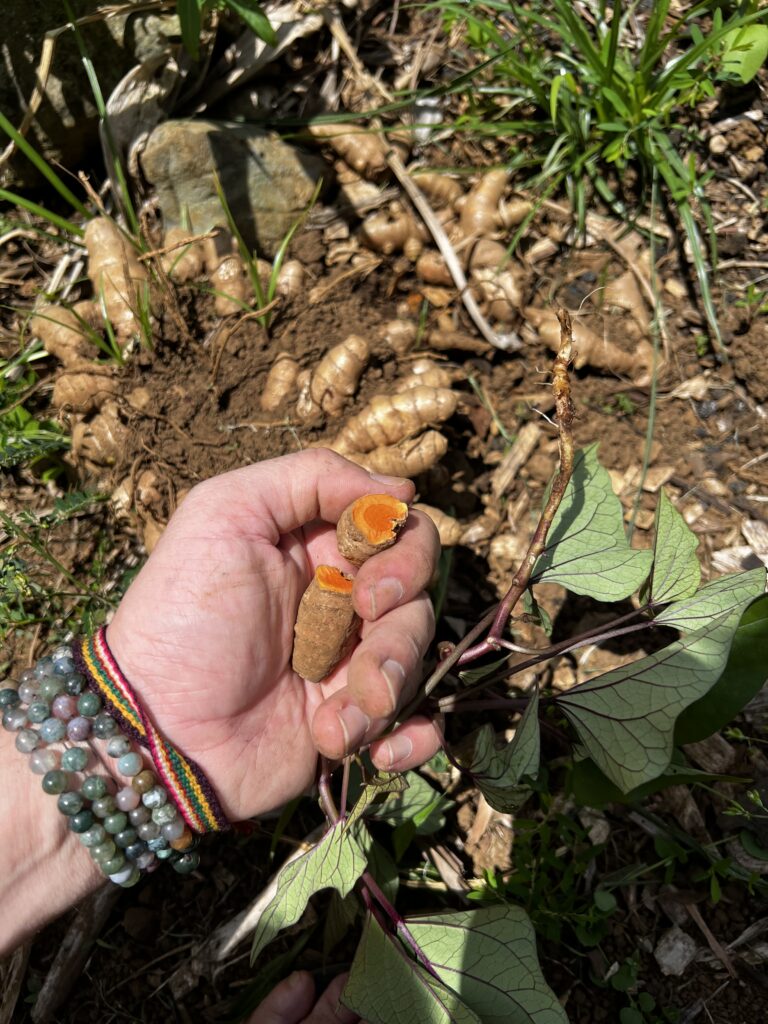
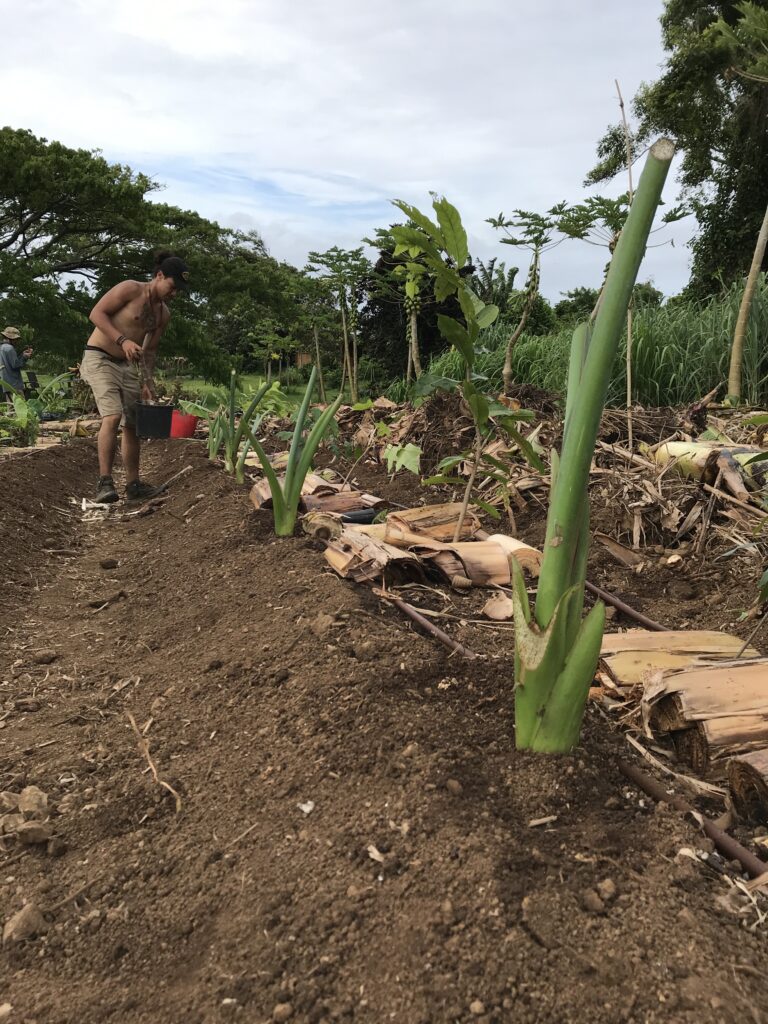
Through his agricultural program—part school, part farm, part social experiment—Dash is creating a space where young people can learn how to grow food from scratch, understand soil, water, and ecosystems, and participate in a functioning, land-based community.
At first glance, it's unconventional. Students pay to live in tents. They work long days. The environment is structured, intentional—almost the opposite of the free-flowing, nomadic lifestyle many come to Hawaii seeking. But that's exactly the point.
The Tension: Freedom vs. Structure
When I first encountered Dash's project, I questioned it. Why would someone pay to labor? Why build structure in a place that represents freedom?
But the longer I stayed, the more I began to understand:
Freedom without skill is fragile.
Dash isn't just teaching agriculture. He's teaching competence—something our modern system has quietly stripped away. Most people today don't know how to grow their own food, don't understand where their nutrition comes from, and rely entirely on external systems for survival. That's not freedom. That's dependency disguised as convenience. It's the same disconnection that drove me toward macrobiotics and food as medicine in the first place.
Paying for Perspective
Yes, students pay thousands of dollars to be there. And yes, they live simply—sometimes uncomfortably. But what they're gaining isn't just knowledge. It's a shift in worldview.
- Food as medicine, not product
- Land as relationship, not resource
- Work as participation, not burden
In a world where people routinely spend tens of thousands on abstract degrees, Dash's program offers something tangible: the ability to feed yourself—and others.
A Microcosm of a Global Problem
What's happening in Hawaii is not isolated. The islands simply make the problem impossible to ignore. Because when you live in the middle of the ocean, you can't pretend your food comes from "somewhere else." You see the ships. You feel the distance.
And that clarity exposes a larger truth: the global food system is built on separation. Separation between people and land, consumption and production, health and nutrition. Dash's work collapses that separation — which is precisely what food sovereignty movements around the world are calling for.
Why It Matters Now More Than Ever
We're entering a time where resilience matters. Supply chains are fragile. Health crises are rising. People are searching for alternatives but don't know where to begin.
What Dash is doing isn't a complete solution. But it's a prototype — a living example of what happens when food becomes local again, communities take responsibility for nourishment, and knowledge is passed through experience, not theory. The same principle lives at the heart of indigenous land stewardship across the Pacific.
My Realization on the Island
Up until that point, my journey had been deeply personal—using food as medicine, traveling freely, following intuition. But Hawaii—and specifically my time around Dash—expanded that perspective.
This wasn't just about individual health anymore. It was about systems. It was about reclaiming something that had been quietly outsourced. And once you see it, you can't unsee it:
We've traded self-sufficiency for convenience. And the cost is higher than we realize.
Final Thought: The Question Dash Leaves You With
You don't have to fully agree with Dash. You might question the structure. The pricing. The model. I did.
But his work forces a question that's hard to ignore:
If the system that feeds you disappeared tomorrow… what would you do?
Most people don't have an answer. The students on that farm are starting to. And that alone makes what Dash is building worth paying attention to. It's the same question at the heart of every healing movement worth taking seriously.