Macrobiotics and the Path of Transformation: Food, Healing, and Freedom
There are moments when eating stops being routine and becomes revelation—when a simple bowl of rice no longer feels like nourishment alone, but like a question directed at everything you thought you knew.
In macrobiotics, food is not reduced to calories, trends, or discipline. It becomes language. A way of reading the body. A way of listening to imbalance long before it becomes illness.
At its foundation lies an ancient framework of Yin and Yang—expansion and contraction, cooling and warming, ascent and descent expressed through the natural world itself. Vegetables that grow upward toward light. Roots that move inward toward darkness. Every bite becomes a negotiation between forces, a quiet attempt to restore equilibrium.
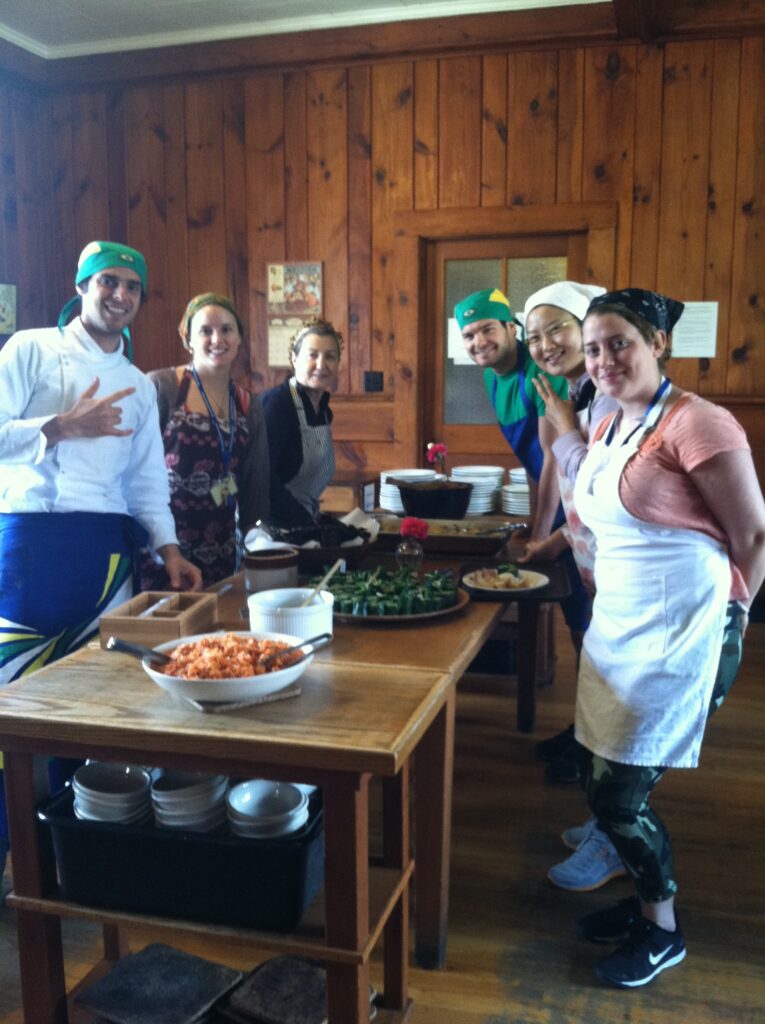
This was the world I entered without fully understanding it—drawn through intuition, travel, and a series of encounters that would eventually lead me into the disciplined teachings of the Kushi Institute, and to the living example of transformation embodied by Andre Deluiggi.
The Macrobiotic Lineage: From Philosophy to Practice
Modern macrobiotics draws heavily from the teachings of George Ohsawa, who viewed health not as something imposed from outside, but as something restored through alignment with natural order. His student, Michio Kushi, carried this vision forward into structured education, building a global movement centered on food as medicine.
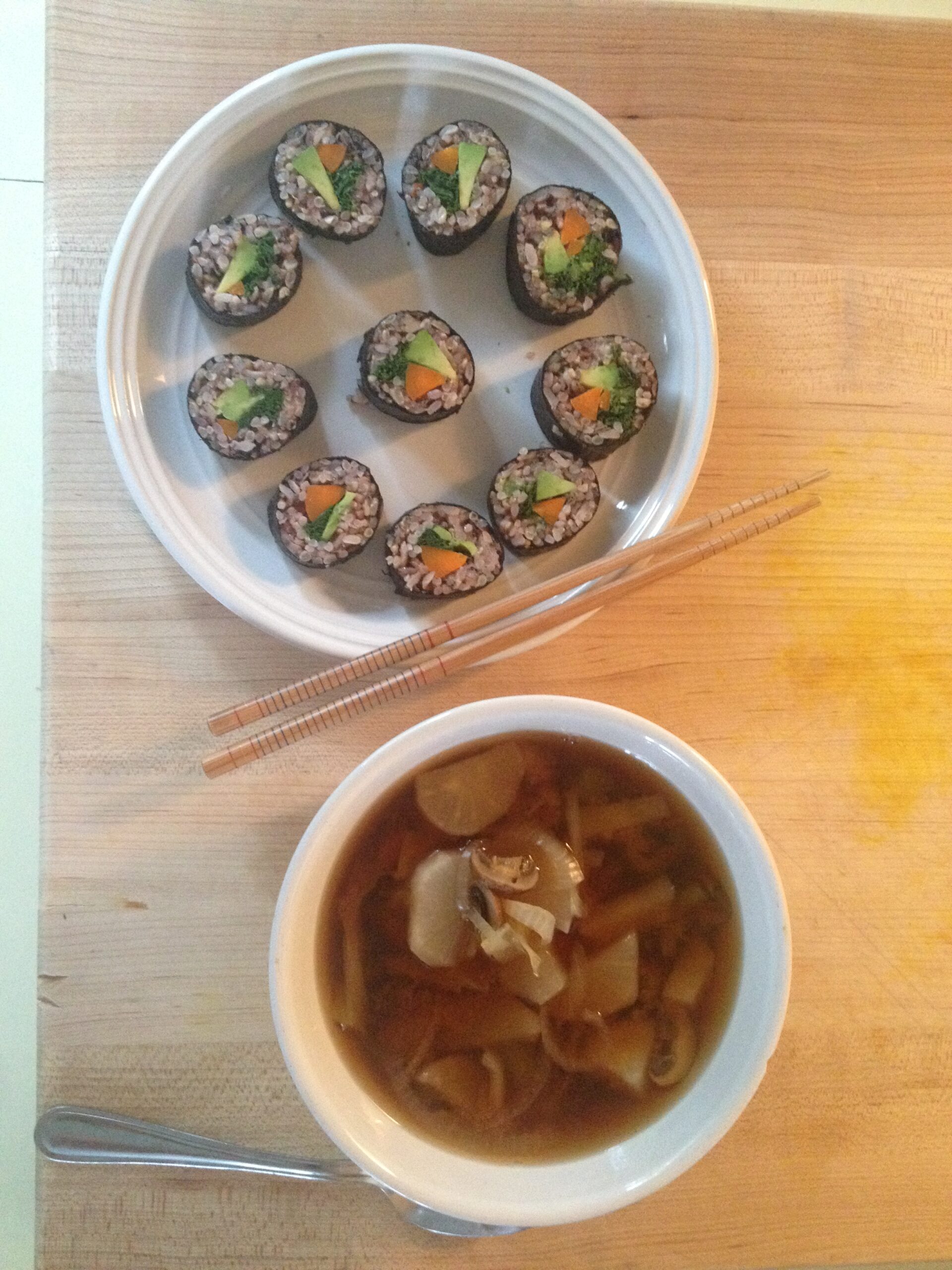
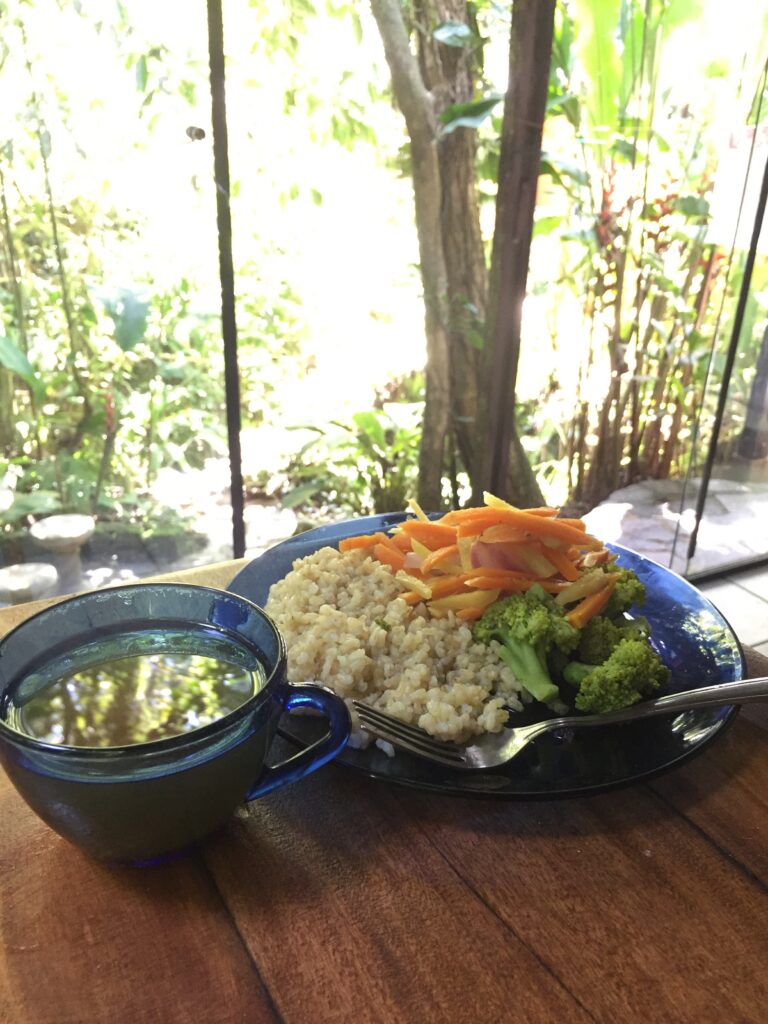
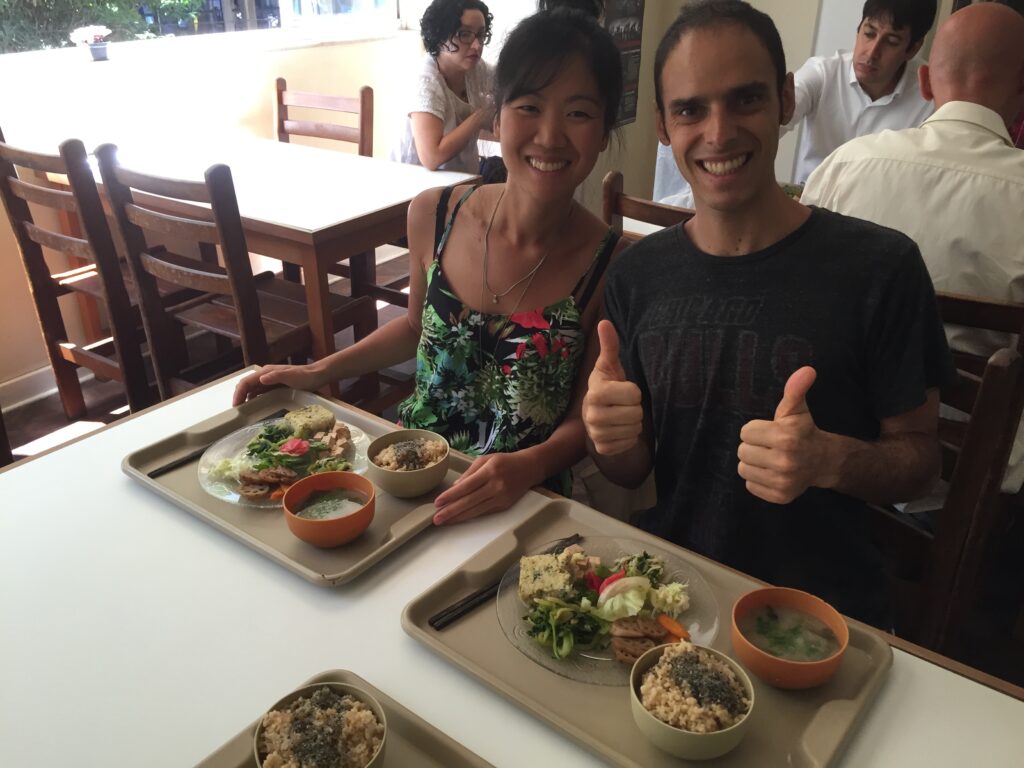
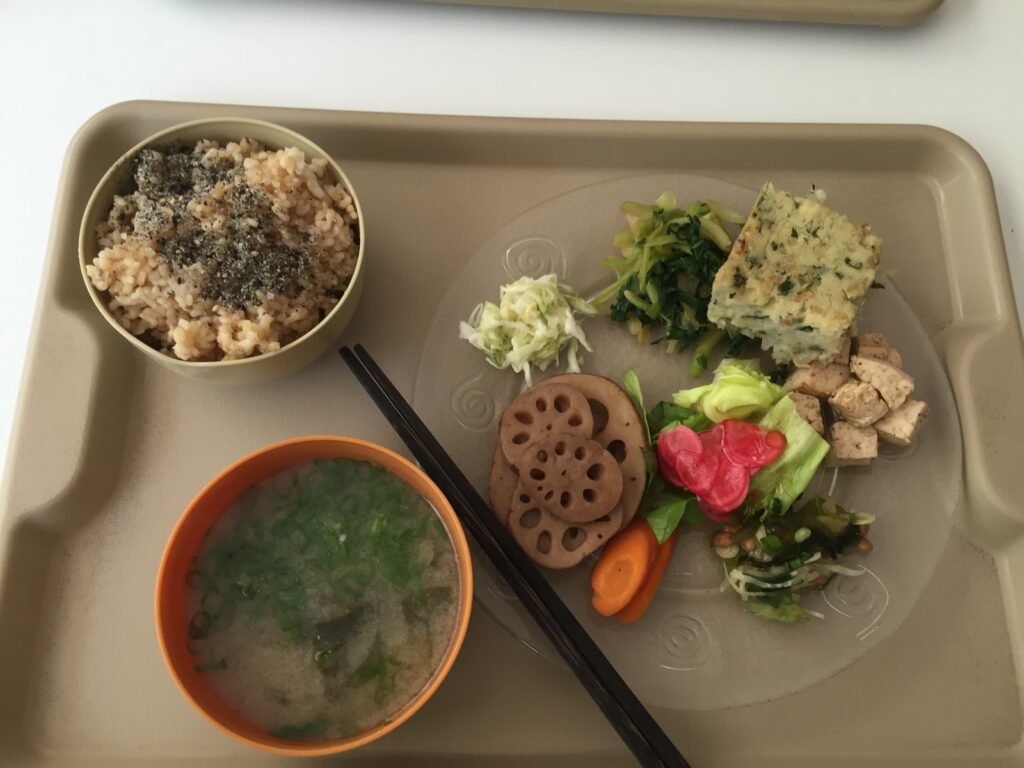
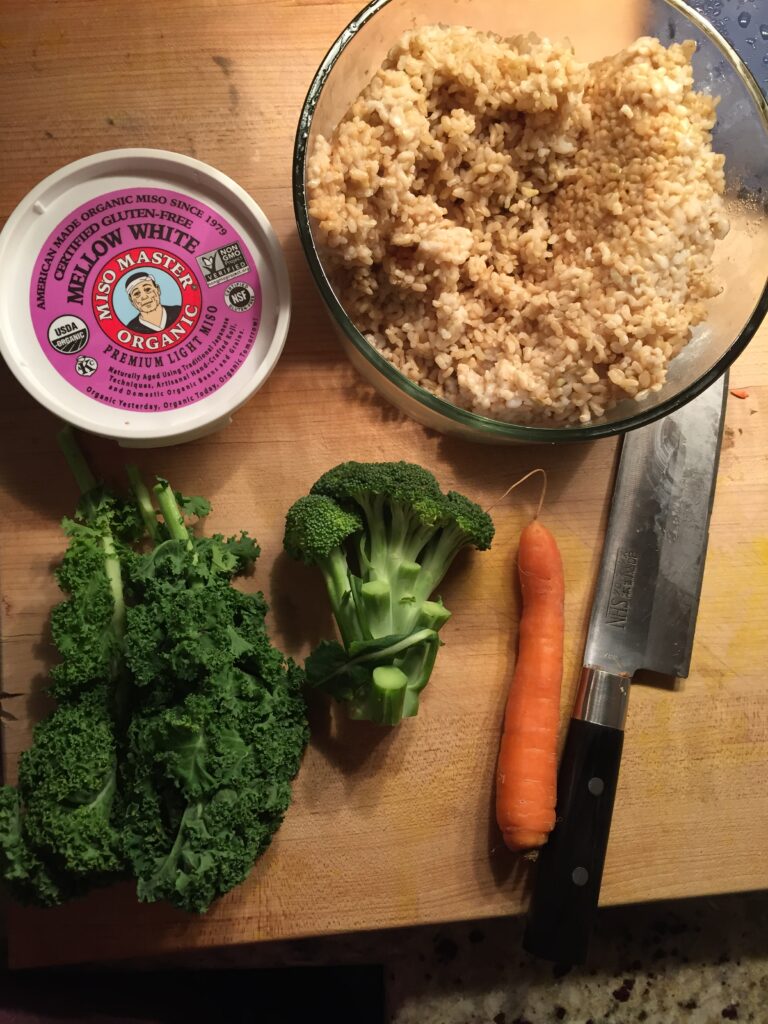
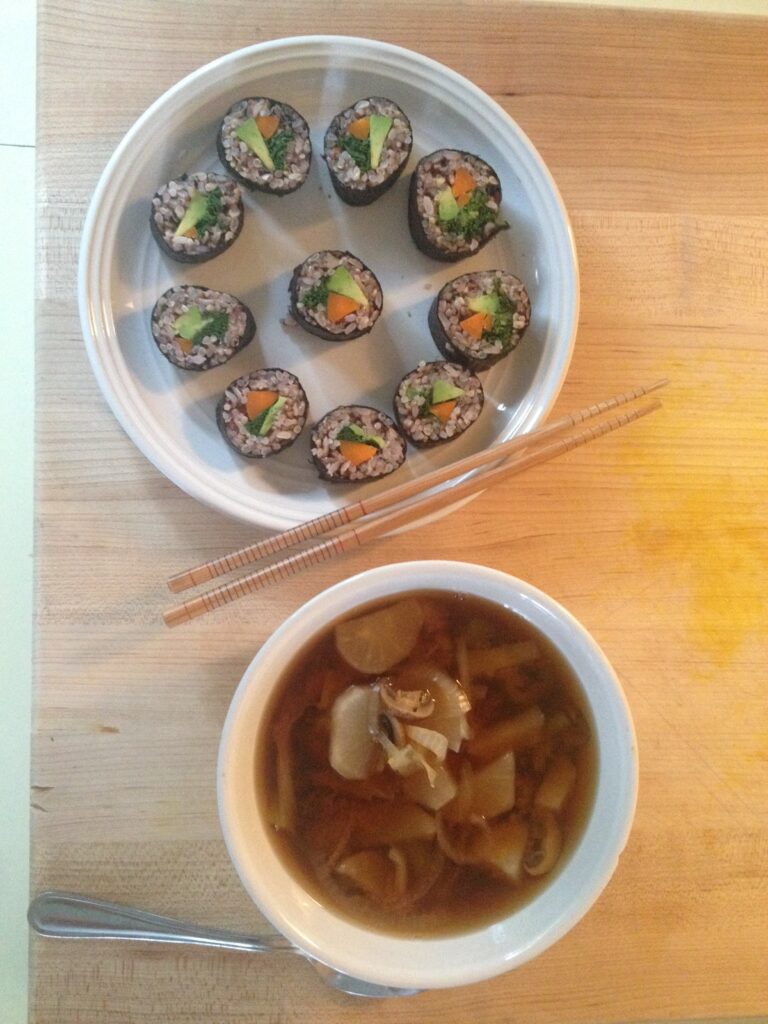
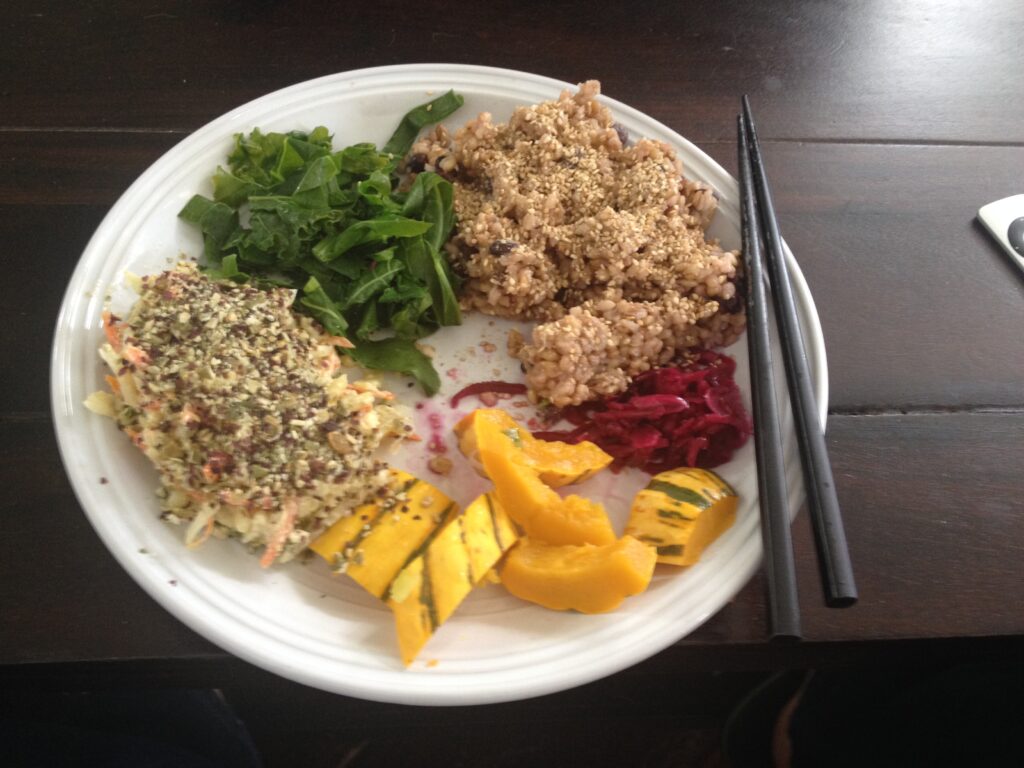
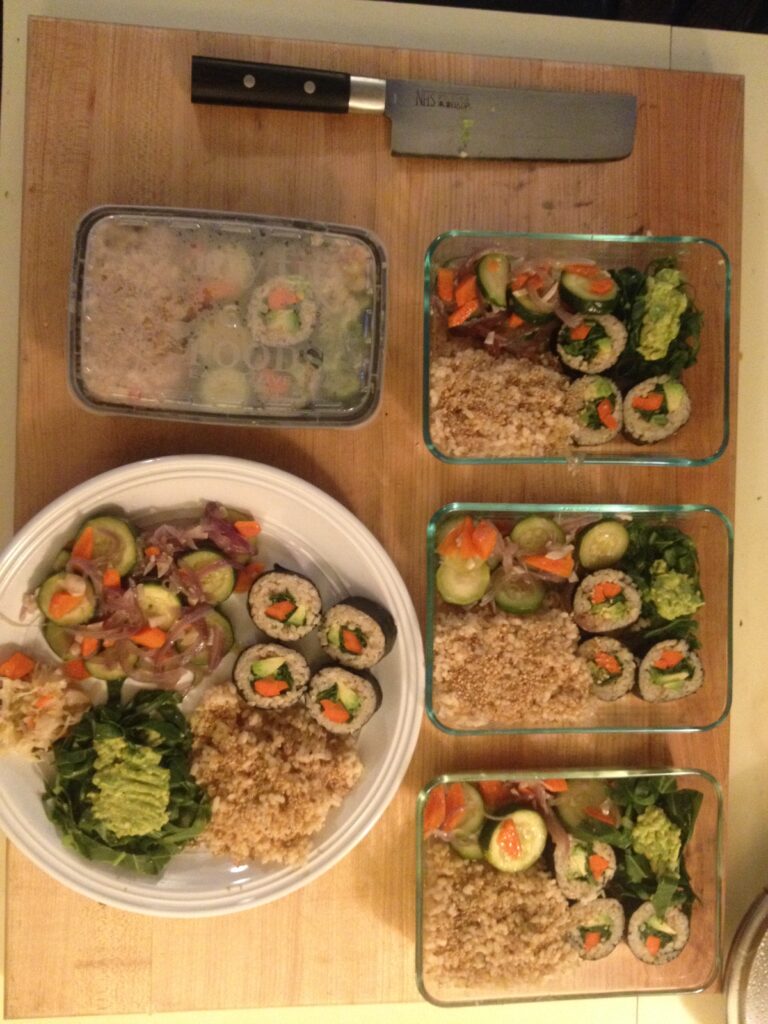
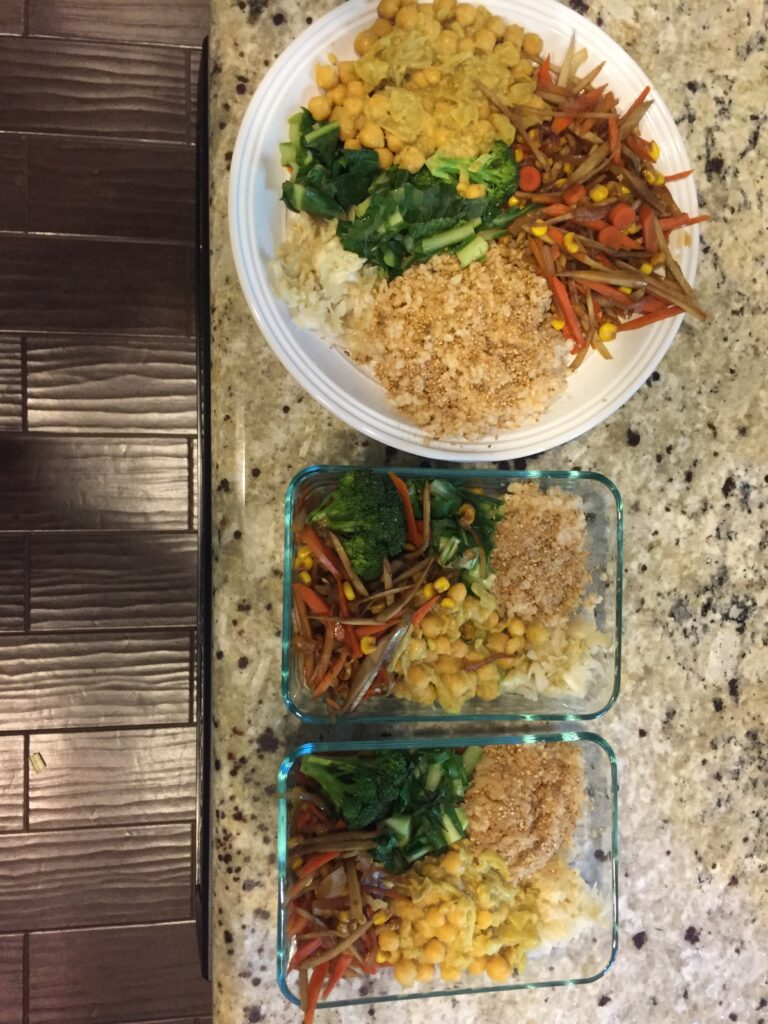
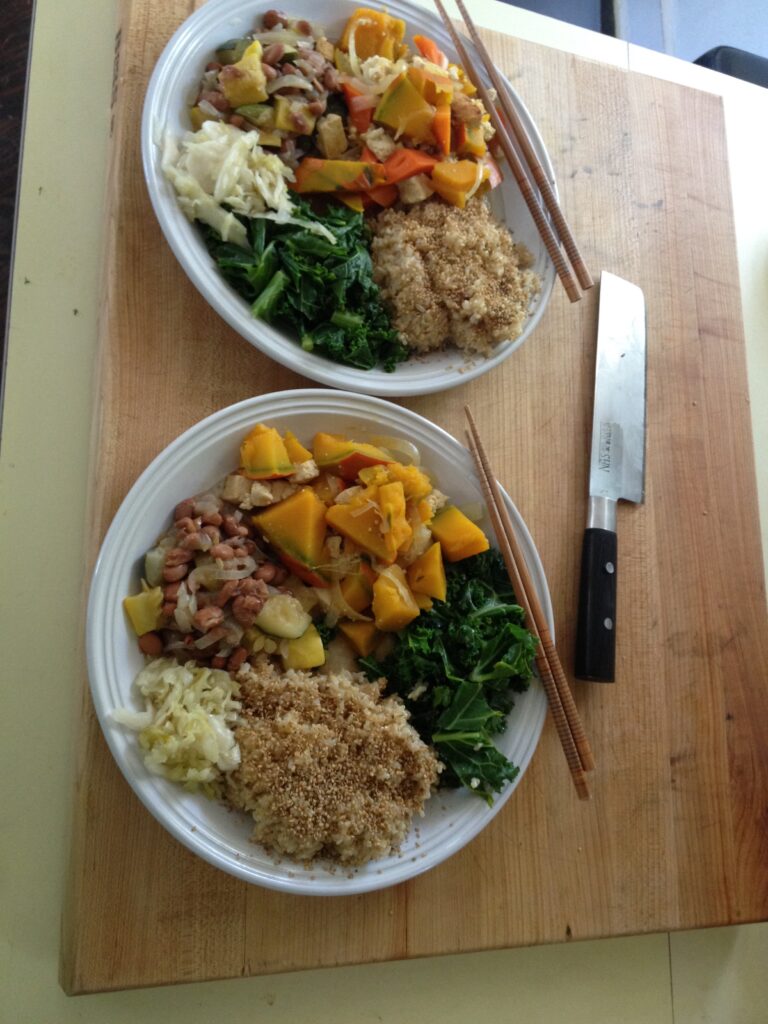
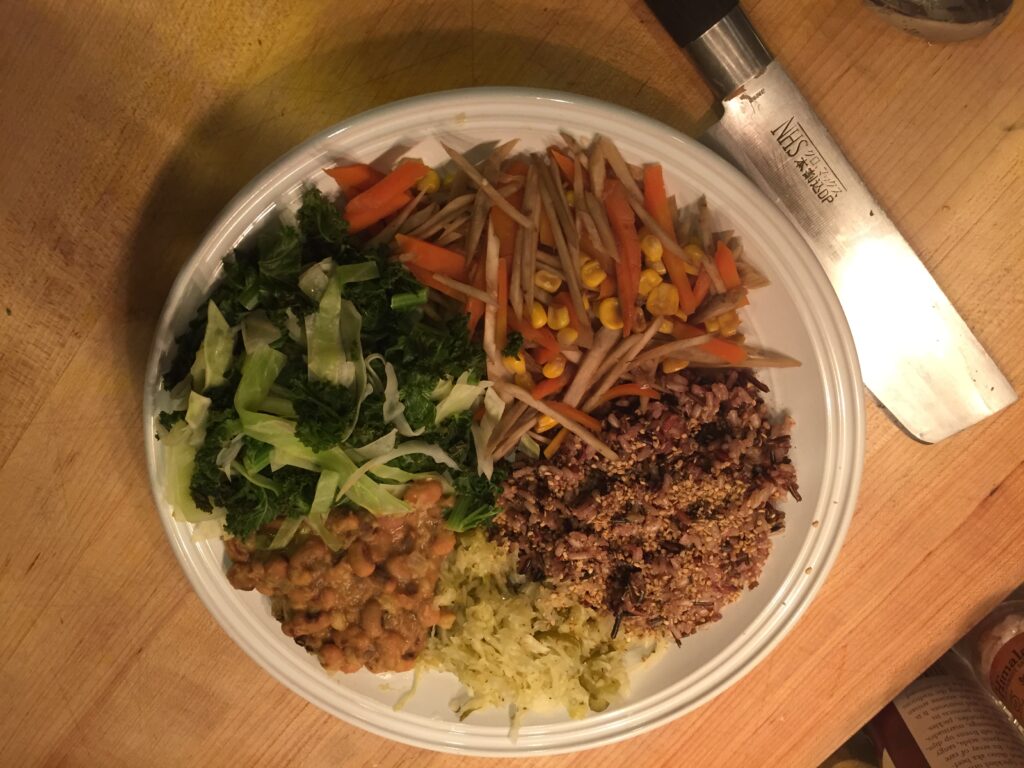
At the Kushi Institute, macrobiotics was no longer theory. It was practice—brown rice, miso soup, sea vegetables, fermented foods, and a disciplined rhythm of meals designed to recalibrate the body.
Yet what became clear there—and what Andre later embodied in human form—was that macrobiotics is never just about food. It is about consequence. Every choice leaves a trace in the body. Every habit becomes chemistry. Every pattern eventually becomes identity.
Andre Deluiggi: The Body as a Living Experiment
Andre's story carried a different kind of weight.
Before macrobiotics, he lived in excess—food, indulgence, consumption accumulating until his body began to collapse under its own momentum. By his mid-twenties, a weight-related hip injury forced stillness upon him. Limitation became the doorway.
It was there he encountered macrobiotic philosophy and began to treat his body not as a burden, but as a laboratory for restoration.
What made Andre Deluiggi so significant was not simply that he healed—it was how precise and honest that healing became. Through disciplined eating, observation, and consistency, he shed not only physical weight, but the emotional residue that had shaped his earlier life.
By the time I met him at the Kushi Institute, he carried something rare: lightness without denial, structure without rigidity, joy without excess. He was living proof that macrobiotics was not an idea—it was a state a human body could actually arrive at.
Inside the Macrobiotic Diet: Simplicity as Medicine
The macrobiotic approach is deceptively simple:
- Whole grains like brown rice, millet, and barley
- Beans, tofu, and fermented soy products
- Seasonal vegetables and leafy greens
- Sea vegetables such as wakame
- Fermented foods like miso and sauerkraut
- Minimal processed ingredients, no industrial additives
At first, it feels restrictive. But over time, simplicity reveals intelligence.
The body begins to quiet. Cravings diminish. Energy stabilizes. Emotional volatility softens into observation rather than reaction.
It is not a detox in the modern sense—it is a recalibration of rhythm.
Yin and Yang: The Forgotten Grammar of Food
One of macrobiotics' most profound teachings is Yin and Yang not as metaphor, but as structure.
- Expansive foods (Yin): fruits, sugar, alcohol, caffeine
- Contractive foods (Yang): meat, salt-heavy or dense foods
- Balanced foods: grains, vegetables, legumes
The aim is not purity—it is equilibrium.
What surprised me most was how immediately the body responds to imbalance. After days of clean eating, even a small deviation—wine, fish, processed food—produced a noticeable physiological reaction. The body remembers clarity, and it resists disruption.
Health, in this sense, is not static. It is responsive intelligence.
The Turning Point: When Clarity Becomes Emotional
After sustained discipline, something unexpected surfaced.
It was no longer only physical change—it was emotional unveiling.
Old memories rose without invitation. Patterns became visible. The urgency that once felt like personality revealed itself as chemistry. Food stopped being control and became awareness.
Here, macrobiotics stops being diet and becomes mirror.
And like any still mirror held long enough, it reflects not just the body, but the life the body has been carrying.
Macrobiotics Beyond Control: The Shadow and the Lesson
At the Kushi Institute, structure was everywhere—how food was cut, how it was cooked, even how it was understood. At its best, this created clarity. At its extreme, it risked becoming control.
This tension runs through every system of healing: guidance versus rigidity, structure versus freedom.
The deeper lesson was never obedience. It was discernment.
Food can heal—but fixation can distort even healing itself.
Andre understood this instinctively. His transformation was never about control. It was about restoration. That distinction mattered more than any rule.
Macrobiotics as a Healing Modality—and the Return to the Wild
Macrobiotics, at its core, is not a diet. It is a healing modality—an attempt to retune the human organism through rhythm, restraint, and relationship to nature.
Within this framework, illness is not random malfunction but accumulated imbalance: too much expansion, too much contraction, too much artificiality, too little listening. The body, given time and simple food, begins to reorganize itself slowly, like water shaping stone.
For a time, it worked in a way that felt almost undeniable.
My energy shifted. My mind quieted. Old habits dissolved without resistance. The body responded with a kind of gratitude I had never noticed before.
But healing is not a destination. It is a conversation that continues to evolve.
From Structured Healing to Wild Participation
As macrobiotics deepened its effect, another instinct began to surface—quieter, older. The sense that discipline alone was not the full answer to relationship with life, death, and nourishment.
Food had been revealed as energy pattern. But another question emerged: what happens when nourishment is no longer prepared, but encountered directly in the living world?
Over time, the path expanded into hunting and harvesting wild game.
Not as rejection—but as continuation.
Where macrobiotics refined awareness through cultivation and preparation, hunting demanded something different: immediate presence in terrain, weather, instinct, consequence. No abstraction remained between life and nourishment.
Andre as the Bridge Between Two Realities
Andre stood at the center of this arc for me.
He represented the first stage of transformation—the rebuilding of the human system through disciplined nourishment. Through him, macrobiotics stopped being philosophy and became evidence that the body could be restored.
But even his presence hinted at something beyond structure: that healing is not meant to end in dietary perfection, but in restored participation with life itself.
The Bridge Between Two Ways of Eating
Macrobiotics and hunting, at first glance, appear to belong to different worlds—one structured and philosophical, the other ancestral and immediate. Yet over time, they revealed themselves as expressions of the same inquiry:
How does a human being stay in honest relationship with what sustains them?
Macrobiotics taught that food carries information—that what we eat becomes temperament. Hunting revealed that this information is not symbolic alone, but literal: life becomes life through participation in the cycle.
One refined sensitivity. The other demanded responsibility.
Between them, a fuller understanding emerged—not of purity, but of alignment. This same tension between structure and wildness runs through the work explored in Hawaii, Food Sovereignty, and the Radical Vision of Solution—where land-based nourishment becomes an act of reclamation.
Returning to the Source of Sustenance
The shift into hunting was not a departure from healing. It was its widening.
The body, stabilized through macrobiotic discipline, was now being asked to meet a deeper truth: nourishment is inseparable from life taken, and reverence must accompany consumption if it is to remain coherent.
What macrobiotics softened, nature clarified.
Food was no longer pattern alone—it was encounter.
And in that encounter, the philosophy expanded beyond diet into something older and more elemental: a lived ethics of attention, reciprocity, and gratitude toward the living world—values that echo through the indigenous wisdom traditions that have always understood food as relationship, not resource.
Integration
Looking back, macrobiotics was the doorway—a structured healing modality that reorganized the system enough to perceive subtler layers of reality. It restored clarity where there had been noise.
Hunting and wild harvesting became the continuation of that clarity—where theory dissolved into direct relationship with nature itself.
Andre showed what healing looks like inside structure.
The wild showed what healing looks like beyond it.
And between them, a quieter understanding formed: healing is not about choosing one path over another, but about remaining honest as the path keeps unfolding. That honesty—and where it leads—is at the heart of everything explored here at Humans Inspired.