
Humans Inspired · May 2026
How Piano Tuning Helped Me Build a Life of Freedom
For most of my childhood, I believed something was wrong with me.
By second grade, I had already been diagnosed with ADD and prescribed amphetamines intended to help me function inside classrooms that felt almost physically impossible to sit still in. Like many children labeled "disruptive," "unfocused," or "too energetic," I learned early that success often meant suppressing instinct in order to become manageable. The message was subtle but constant: slow down, fit in, behave normally.
What I did not understand then was that the same traits causing friction in structured environments—restlessness, hyperfocus, curiosity, intensity, impulsiveness—would eventually become essential to the life I was trying to build.
The deeper story of The Piano Tuner is not simply about travel or music. It is about slowly realizing that what I had been taught to see as dysfunction might actually contain the blueprint for freedom.
Growing Up With ADD in a World Built for Conformity
School rewarded consistency, obedience, repetition, and sustained attention toward subjects that often felt emotionally disconnected from real life. My mind did not naturally operate that way.
Like many people diagnosed with Attention Deficit Hyperactivity Disorder, I could become completely absorbed in things that genuinely interested me while feeling incapable of forcing attention toward things that didn't. Rather than seeing this as a different cognitive style, the culture I grew up in framed it primarily as a disorder requiring correction.
Medication became part of my identity before I was old enough to question it.
The strange irony is that the amphetamines helped me survive systems that were deeply incompatible with who I naturally was—but they never answered the deeper question of whether I belonged inside those systems to begin with.
Years later, after studying abroad and eventually traveling across the world, distance gave me perspective. Living in China, wandering through the Middle East during the Arab Spring, and drifting through unfamiliar cultures exposed me to radically different ways of living. Outside the structures that had defined me growing up, I began questioning assumptions I had accepted for years.
Was I actually broken? Or had I simply spent my life trying to force myself into environments designed for a very narrow kind of mind?
Returning Home Lost
When I returned to Austin after years abroad, I felt untethered. I had accumulated stories, footage, photographs, and experiences that felt meaningful, yet I had no idea how to transform them into a sustainable life.
Armed with a college degree in electronic media, I did what many millennials were taught to do: build a résumé, polish an online portfolio, and attempt to package my experiences into something employable. But every interview exposed the same tension. I could get meetings. I could speak passionately. I could even impress people temporarily. Yet eventually the same truth emerged:
I was not designed for performative professionalism.
Travel had fundamentally changed me. Once you have wandered through revolutions, foreign cities, and radically different realities, it becomes difficult to convince yourself that corporate ambition alone is meaningful. Still, survival required money, and the numbers in my bank account were shrinking.
The Hollow Promise of Modern Success
Eventually desperation led me into the world of public relations and online reputation management. What initially appeared to be a breakthrough quickly became a surreal education in modern perception, branding, and illusion.
The company specialized in manufacturing authority online—creating media narratives, cultivating visibility, and feeding the vanity of clients desperate to appear important. It was a strange collision between journalism, marketing, and psychological manipulation.
Ironically, the experience taught me valuable skills that would later transform my life. I learned about SEO, Google rankings, local search optimization, and how businesses actually attract customers online. But emotionally, I felt increasingly disconnected from myself.
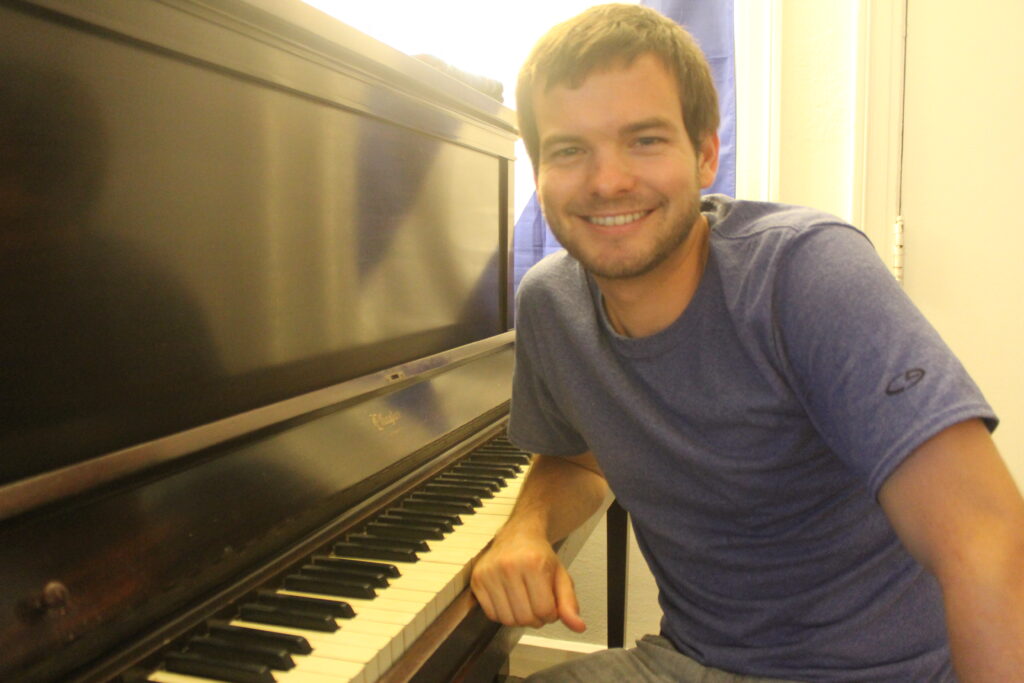
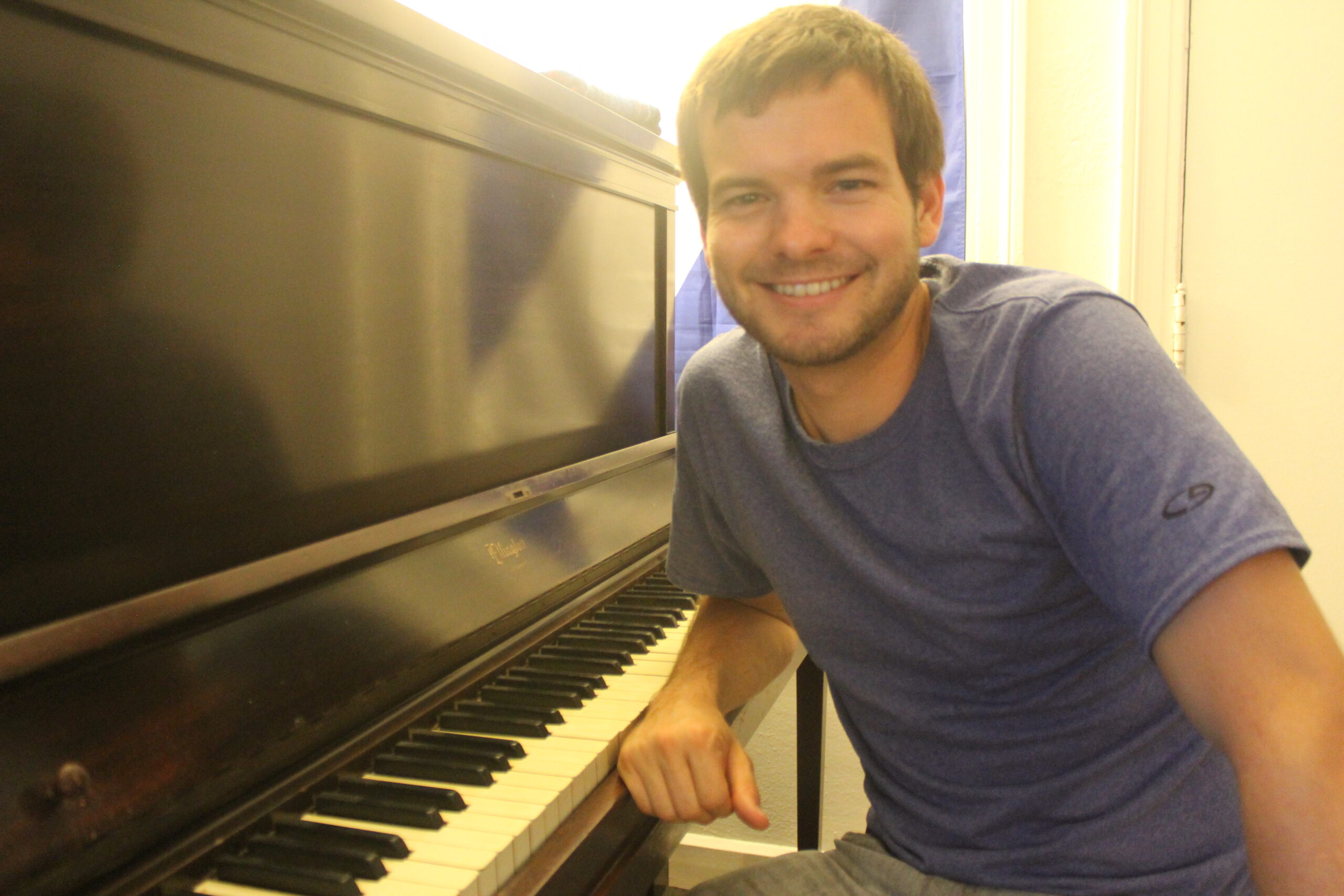
Each evening I would return home exhausted and sit at the old upright piano in my apartment, using music as therapy to process the growing dissonance between the life I was living and the person I actually was.
Then the piano fell out of tune.
That small inconvenience quietly changed everything.
Meeting the Piano Tuner Who Changed My Life
Searching online for someone to restore the instrument, I found a local Austin piano tuner named Paul Brown. His website was simple. No flashy branding. No manufactured authority. Just authenticity, craftsmanship, and calm expertise.
When Paul arrived at my apartment, I watched him work. There was something deeply grounding about the process. No manipulation. No corporate theater. No endless performance. Just patience, precision, listening, and tangible transformation.
As he carefully restored the century-old instrument back into harmony, something clicked in my mind.
This was real work. Human work. Independent work. And most importantly, it offered freedom.
For someone who had spent much of life feeling psychologically trapped inside systems built for other kinds of minds, piano tuning represented an entirely different possibility:
- Self-employment and autonomy over environment and schedule
- Flexibility and movement throughout the day
- One-on-one human interaction with immediate visible results
- A portable skill capable of funding a life of freedom
At that point, what attracted me was not even the piano tuning itself—it was the life surrounding it. When I told Paul I could imagine tuning pianos for a living, he smiled and simply said:
"Then go do it."
ADHD, Hyperfocus, and Finding Alignment
One of the great misconceptions surrounding ADHD is the belief that people with it cannot focus. In reality, many neurodivergent people struggle not with attention itself, but with regulating attention. When genuinely interested in something meaningful, focus can become almost obsessive. Piano tuning unexpectedly activated that part of my mind.
The work demanded deep listening, pattern recognition, sensory awareness, precision, and hyperfocus. And unlike school or corporate environments, the feedback was immediate. The piano either sounded better or it didn't. There were no abstract performance reviews or meaningless meetings detached from reality.
For the first time in years, I felt mentally aligned with my work rather than psychologically at war with it.
The same traits that once made me seem dysfunctional inside classrooms suddenly became useful—curiosity, adaptability, intensity, improvisation, emotional sensitivity, restless energy, obsessive focus on craft. What had once been framed as pathology began revealing itself as potential.
This kind of alignment is something heart intelligence practitioners and indigenous traditions have understood for generations: when a person's natural gifts match the demands of their work and environment, something previously described as disorder simply ceases to be one.
Using SEO to Build a New Life
Ironically, the same PR industry that spiritually exhausted me unknowingly handed me the tools that would help me escape it. I used the SEO and digital marketing knowledge I had learned to build my own website: Greater Austin Piano Tuning. I optimized pages around keywords like "Austin piano tuning," studied Google rankings, and slowly built an online presence that made the business visible before it was fully established.
Then I practiced. Every day.
"How you do anything is how you do everything," I reminded myself while learning the craft.
Eventually the phone rang. Then it rang again. And suddenly piano tuning became more than survival—it became a passport to a completely different way of living.
The Piano Tuner Is About More Than Music
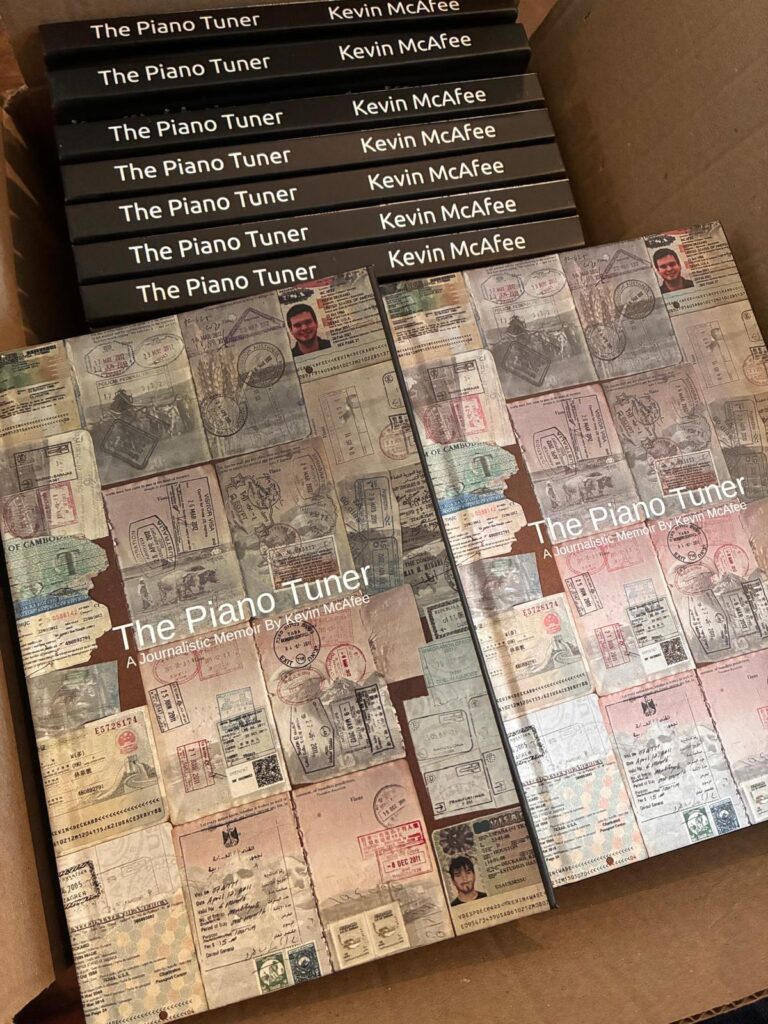
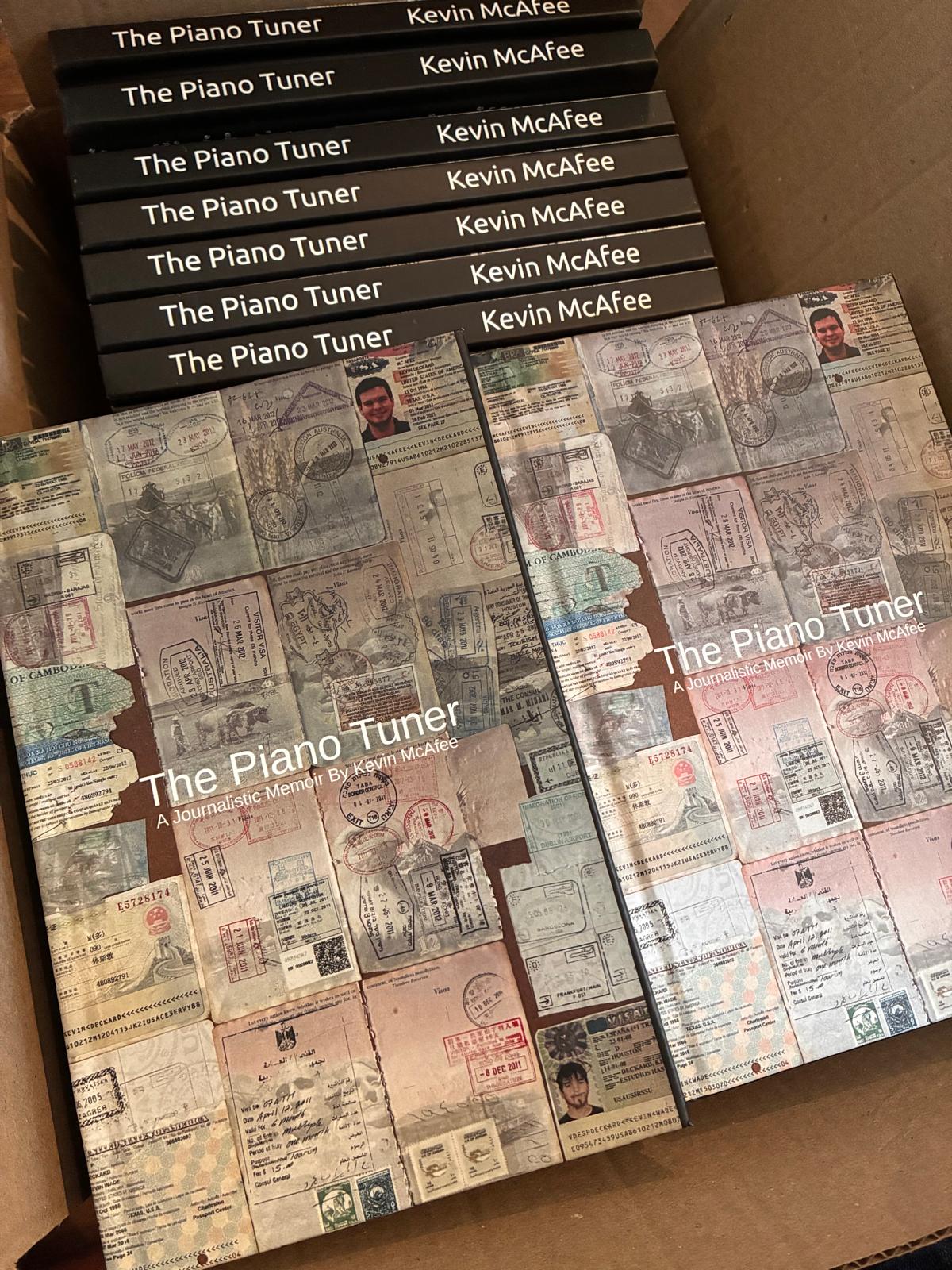
At its core, The Piano Tuner is not really a book about pianos. It is a memoir about redefining success, escaping inherited expectations, overcoming the psychological weight of labels, and discovering that meaningful work often appears in unexpected forms.
Piano tuning became the mechanism that allowed the rest of the story to happen. It funded travel. It created independence. It allowed me to continue moving through the world without becoming trapped inside systems that had never fit me comfortably to begin with.
The profession placed me inside the homes of strangers, exposing me to thousands of lives, personalities, and emotional landscapes. Over time, I realized piano tuning itself mirrored the deeper themes of the memoir—harmony, imbalance, tension, resonance, and restoration—themes I would later encounter again in the work of youth healing movements, in macrobiotic philosophy, and in the food sovereignty communities of Hawaii.
In many ways, I was not only learning to tune pianos. I was learning how to tune my own life.
And perhaps the most important realization of all was this: sometimes the problem is not that a person is broken. Sometimes the environment was simply never tuned for them in the first place.
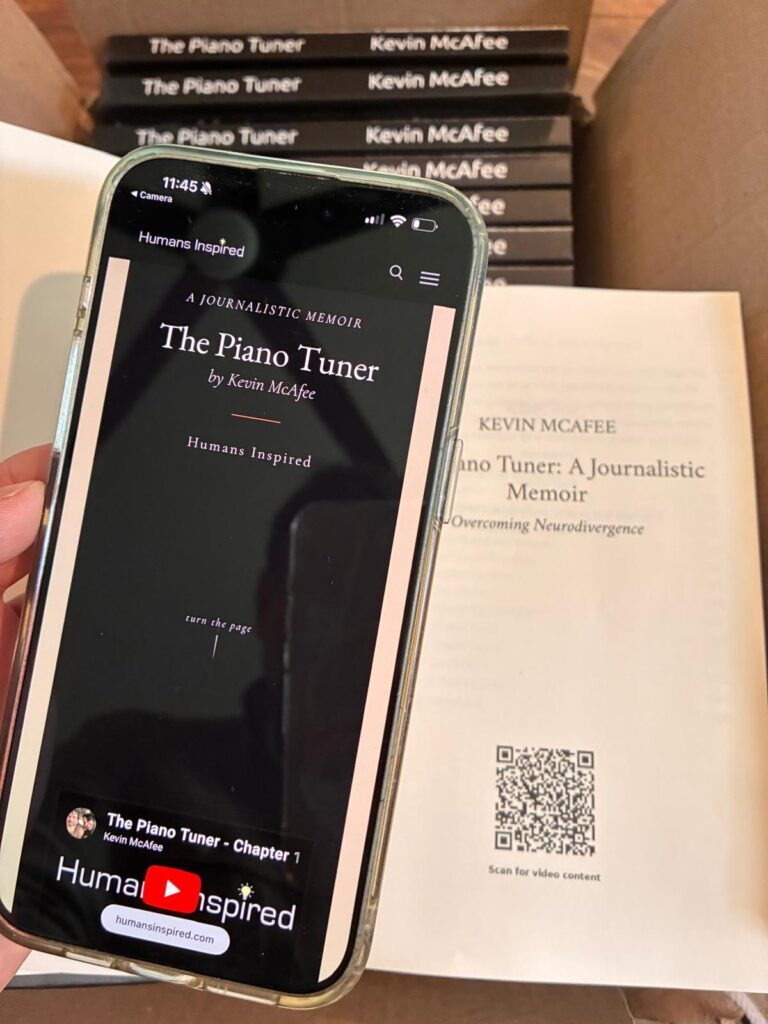
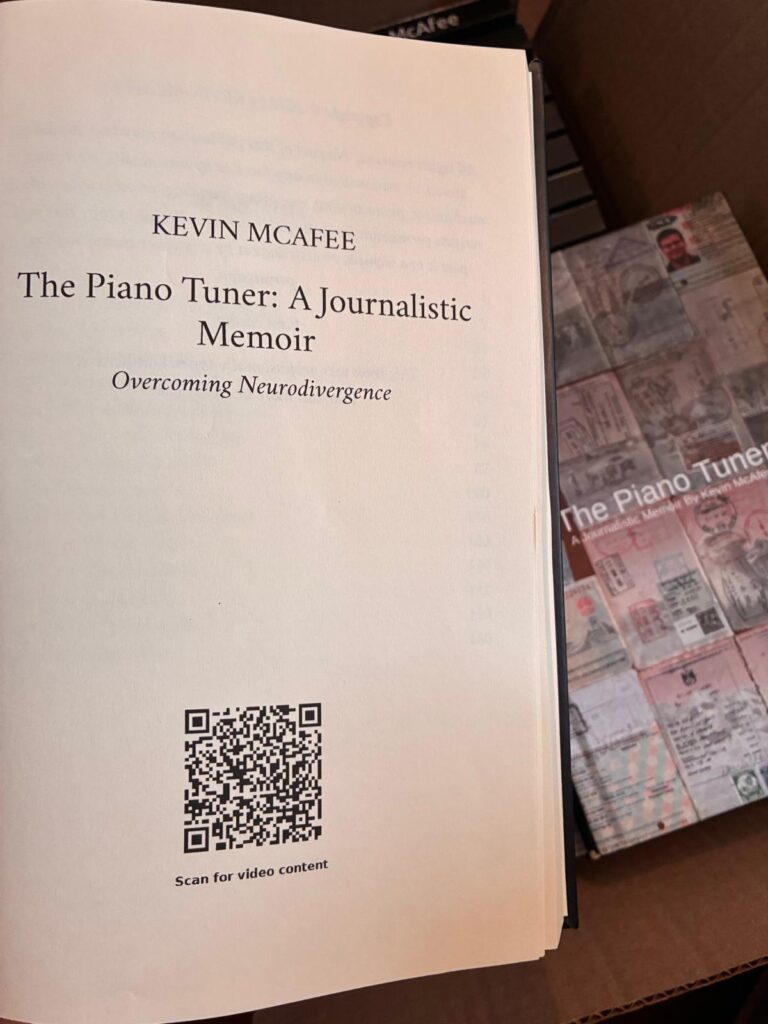
You can read the full story in The Piano Tuner: A Journalistic Memoir, available on Amazon in Kindle, paperback, and hardcover.