

Dating a Billionaire in China Taught Me Why Money Doesn't Buy Happiness
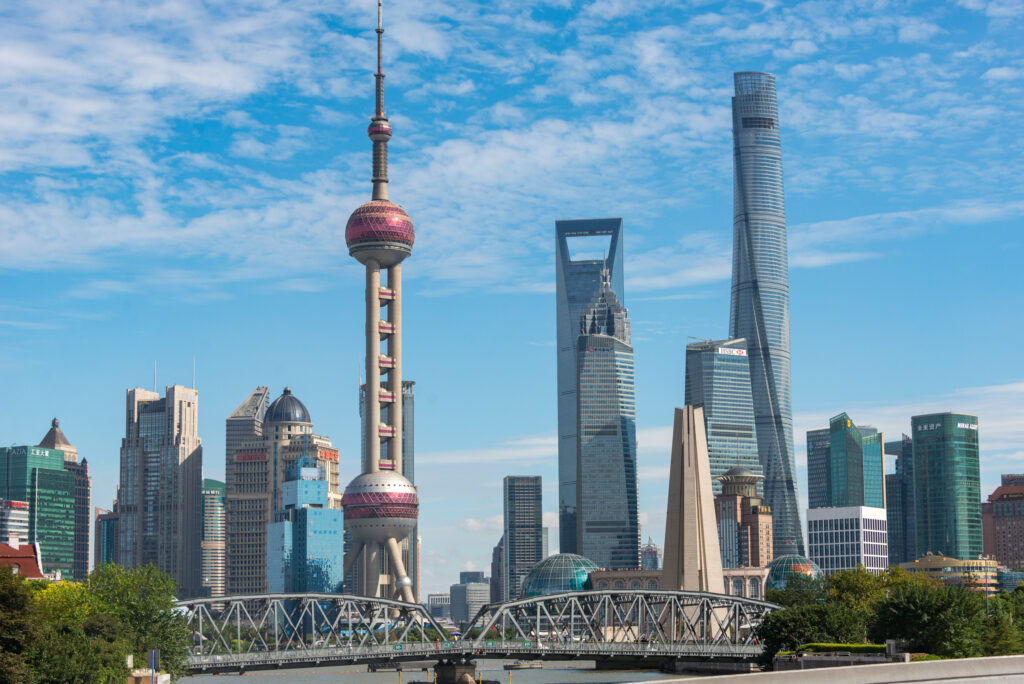
There is a moment that happens when you first arrive in Shanghai where the city doesn't feel real.
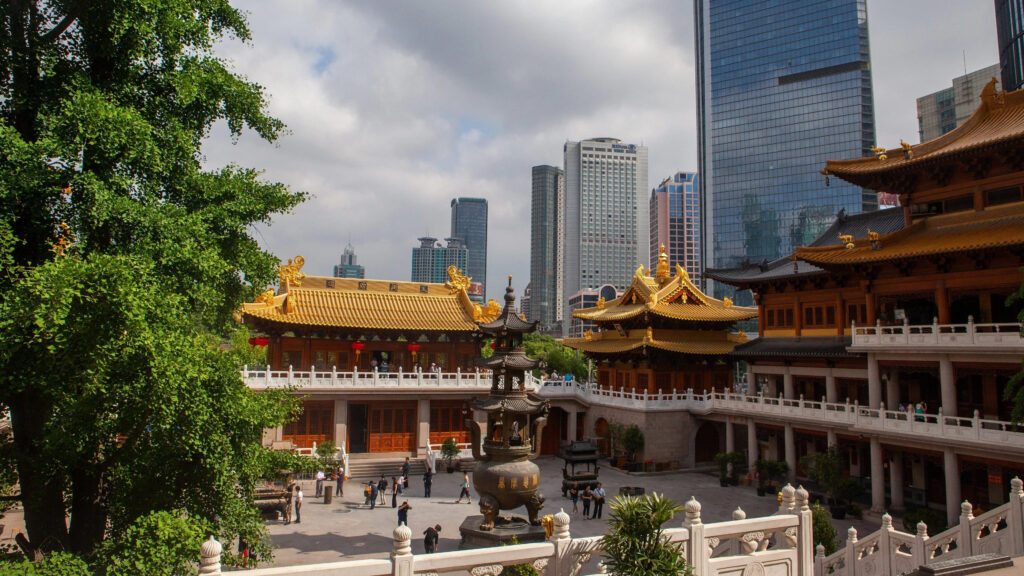
The skyline looks rendered, as if someone designed the future before the rest of the world was informed. Glass towers rise through permanent humidity. Luxury cars slide silently past women carrying vegetables in plastic bags. Entire economies unfold beneath neon reflections on wet pavement. Everywhere you look, there is evidence of ambition accelerated beyond reason.
And yet beneath all that movement, all that wealth, all that projection, I discovered something I did not expect:
Money does not transform people nearly as much as people imagine. It amplifies them.
Arriving in China With Almost Nothing
When I arrived in Shanghai, I was twenty-something years old, carrying little more than a backpack, a camera, and the vague hope that teaching English might somehow sustain my wandering life. I had just come from the Middle East after witnessing the Arab Spring in Egypt, sleeping in hostels, surviving on twenty dollars a day, and slowly realizing that journalism was far less romantic than I once imagined.
China felt like stepping into another timeline entirely.
The metro systems were spotless. The infrastructure seemed futuristic. Massive LCD screens flashed advertisements through the underground tunnels while thousands of people moved with synchronized purpose. The city radiated momentum.
At first, survival itself felt exciting.
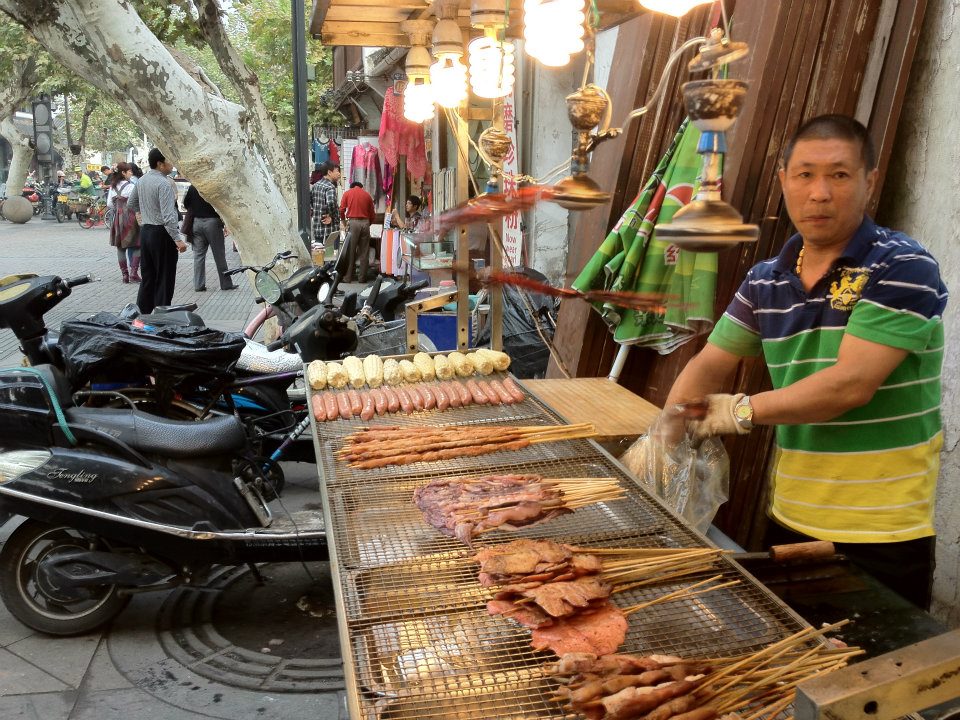
I taught kindergarten English classes despite having absolutely no idea what I was doing. I lived in cheap hotels, borrowed shoes for interviews, survived on bowls of noodles that cost less than two dollars, and slowly learned how to navigate Shanghai's strange ecosystem of expats, entrepreneurs, hustlers, dreamers, and opportunists.
Everything felt possible there. And that illusion matters. Because cities built around rapid wealth creation have a way of convincing people they are only one connection away from becoming someone entirely new.
Shanghai and the Performance of Success
One thing I quickly noticed about Shanghai was that nearly everyone seemed to be performing an identity.
Young Western expats reinvented themselves overnight. English teachers behaved like international businessmen. Startup founders acted like future billionaires before their companies made a dollar. Wealthy Chinese elites consumed luxury brands with almost religious intensity because status itself had become part of the social architecture of modern China.
The city functioned almost like a global audition. And I was participating in it too.
I had come from a middle-class upbringing in Austin, wandering through revolutions and backpacker hostels pretending I was becoming a journalist. Now I was drifting through rooftop bars and luxury hotels in Shanghai, watching the machinery of global capitalism operate at full speed.
The deeper I moved into those circles, the more I realized something unsettling: money does not eliminate insecurity. In many cases, it industrializes it.
Falling Into a Relationship With Extreme Wealth
Through the strange social ecosystem of expat Shanghai, I eventually found myself dating a Chinese billionaire.
Even writing that sentence now feels surreal because nothing about it unfolded the way movies teach you to imagine wealth. There was no fairy tale. No magical completion. No arrival.
What I encountered instead was a world where unlimited resources removed many practical limitations while simultaneously amplifying emotional and psychological ones already present beneath the surface. That was the real revelation.
People often imagine billionaires as existing beyond ordinary emotional reality, but wealth does not erase loneliness, insecurity, trauma, anxiety, confusion, or emptiness. If anything, it creates an environment where those things can grow unchecked because money shields people from consequences, friction, and honest reflection.
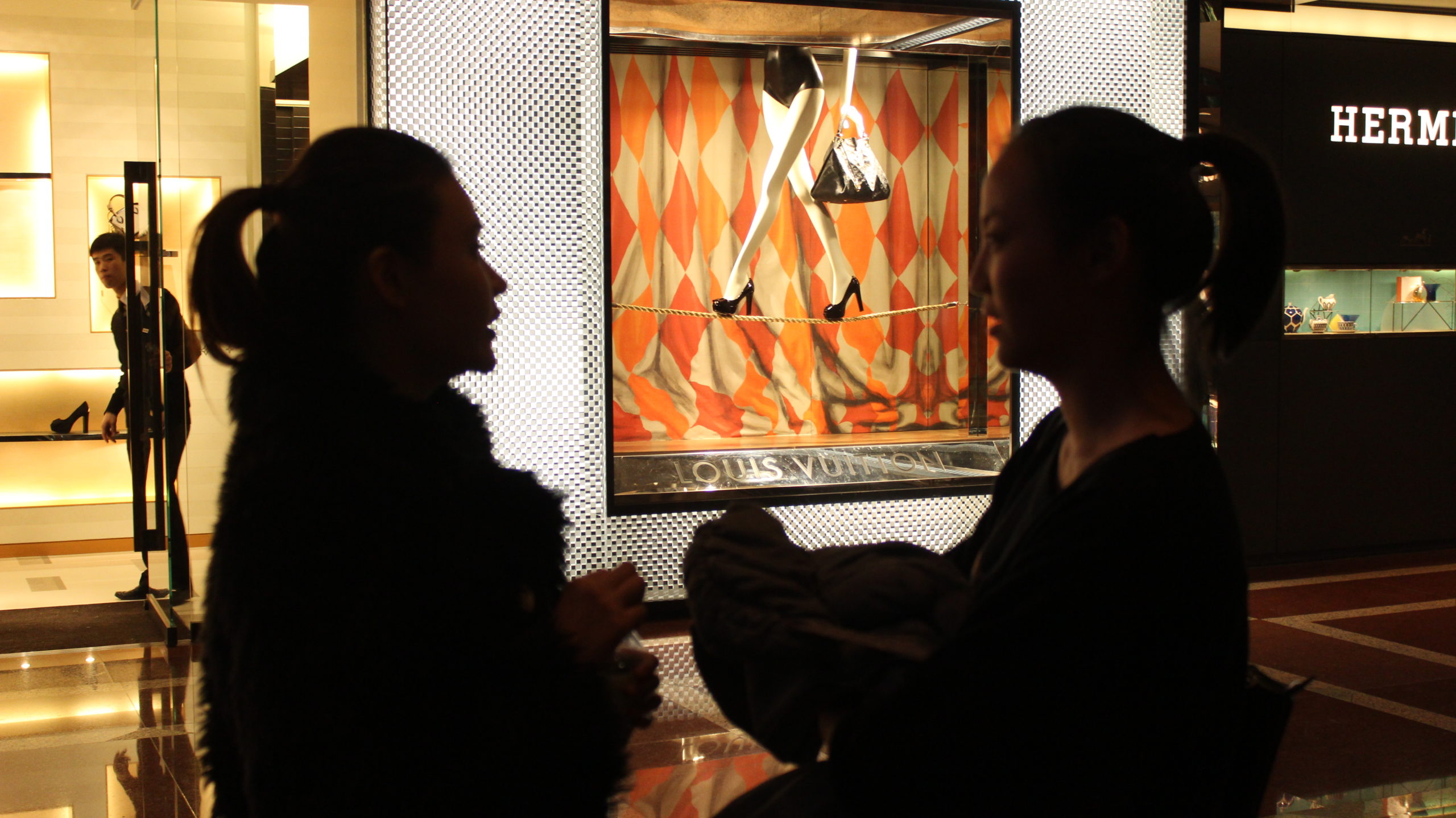
In the beginning, of course, it felt intoxicating. Luxury hotels. Private drivers. Designer clothing. Fine dining. Penthouse apartments overlooking one of the most futuristic cities on Earth.
I would be lying if I said it didn't affect me psychologically. Anyone claiming immunity to luxury is usually lying to themselves. Comfort seduces quickly, especially when you previously survived on uncertainty.
The emotional atmosphere surrounding extreme wealth often felt profoundly unstable.
Money Magnifies Whatever Already Exists
One of the biggest myths in modern culture is the idea that money creates happiness. What I witnessed instead was that money acts more like an amplifier:
- If someone is generous, wealth often makes them extraordinarily generous
- If someone is narcissistic, wealth can turn them into a god inside their own mind
- If someone is anxious, wealth provides endless ways to feed that anxiety
- If someone is empty, wealth simply decorates the emptiness
That realization slowly reshaped how I viewed success itself. Because from the outside, billionaire lifestyles appear aspirational. But proximity reveals something far more complicated: wealth removes many external struggles while leaving internal struggles completely intact.
And internal struggles are often the ones that matter most.
In many ways, the emotional atmosphere surrounding elite wealth circles in Shanghai reminded me of the public relations world I would later encounter back in Austin—people endlessly curating images of success while privately searching for meaning beneath them. The scale was simply larger.
Why Luxury Eventually Becomes Normal
One of the strangest psychological effects of wealth is adaptation. Human beings normalize almost everything.
The first luxury hotel feels extraordinary. By the tenth one, it becomes wallpaper. The first private experience feels surreal. Soon it becomes expectation. The nervous system recalibrates incredibly fast, which creates a dangerous illusion: that fulfillment exists just beyond the next threshold.
A bigger apartment. A more exclusive club. A higher social circle. A greater net worth. But desire expands with access.
That is why people with unimaginable wealth often remain deeply restless. The external conditions improve while the internal baseline quietly resets. I watched this happen repeatedly in Shanghai—people surrounded by abundance behaving emotionally starved.
Why China Became Such an Important Chapter of My Life
Despite all of this, my time in China profoundly changed me. Not because I experienced luxury, but because the contrast forced me to confront deeper questions about identity, ambition, and meaning.
Before China, I still unconsciously believed success might eventually resolve internal conflict. After China, I no longer believed that. Because I had now seen both extremes:
- Radical uncertainty while backpacking through the developing world
- Unimaginable luxury inside elite social circles
Neither automatically created peace.
That realization became foundational to the rest of The Piano Tuner. The memoir is not really about rejecting wealth or romanticizing poverty. Both extremes distort reality in different ways. Instead, the deeper lesson became understanding that external conditions alone cannot resolve internal fragmentation.
You carry yourself everywhere.
The Emotional Cost of Living Through Projection
Shanghai also taught me how easy it is to lose yourself inside projection. Everyone projects identities: countries, corporations, wealthy families, influencers, entrepreneurs, travelers, even memoirists. In cities obsessed with status and acceleration, projection becomes survival.
I found myself drifting into identities that were not entirely mine:
- The worldly traveler
- The multimedia journalist
- The exotic foreign boyfriend
- The ambitious expat
- The future entrepreneur
But beneath all those performances, I was still the same kid from Austin who had spent years feeling fundamentally misaligned with conventional systems after growing up medicated for ADD. No amount of luxury erased that internal search. If anything, China intensified it.
The Strange Freedom of Having Almost Nothing Again
Ironically, some of the clearest moments of my life in Shanghai had nothing to do with wealth.
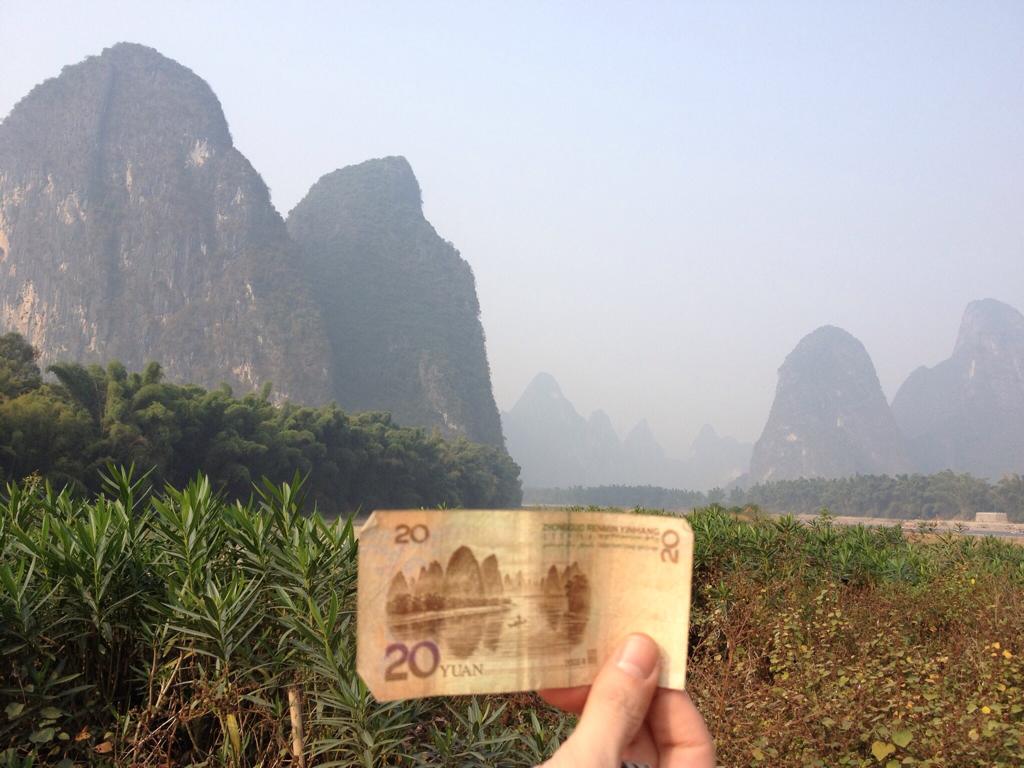
I remember cheap noodle shops beneath highway overpasses. Teaching English to children while improvising lessons in complete chaos. Riding the metro alone at night. Smoking cigarettes while staring across the Bund wondering what any of this actually meant. Those moments felt real. Grounded. Human.
And over time, I began understanding something I could not yet fully articulate: freedom and wealth are not the same thing. Sometimes they overlap. Often they don't.
The ability to move freely through the world, follow curiosity, create honestly, and live outside systems that suffocate your spirit may ultimately matter more than status itself. That realization would eventually lead me toward piano tuning—a craft that offered something billionaire culture never could: enough.
Why I Wrote About This Honestly
I wrote these chapters of The Piano Tuner because modern culture speaks about wealth almost entirely through fantasy. People either worship it or demonize it. Very few talk honestly about what proximity to extreme wealth actually reveals psychologically.
Money solves many real problems. Poverty is stressful. Financial insecurity limits human potential in profound ways. But beyond a certain threshold, wealth often stops functioning as liberation and begins functioning as amplification. And amplification without self-awareness can become dangerous.
My time dating a billionaire in China forced me to confront the difference between appearance and reality, between stimulation and fulfillment, between status and peace. It also forced me to confront my own projections about what kind of life I thought would finally make me feel complete.
The truth was much stranger: the external world kept changing dramatically.
But the real journey was still internal.