
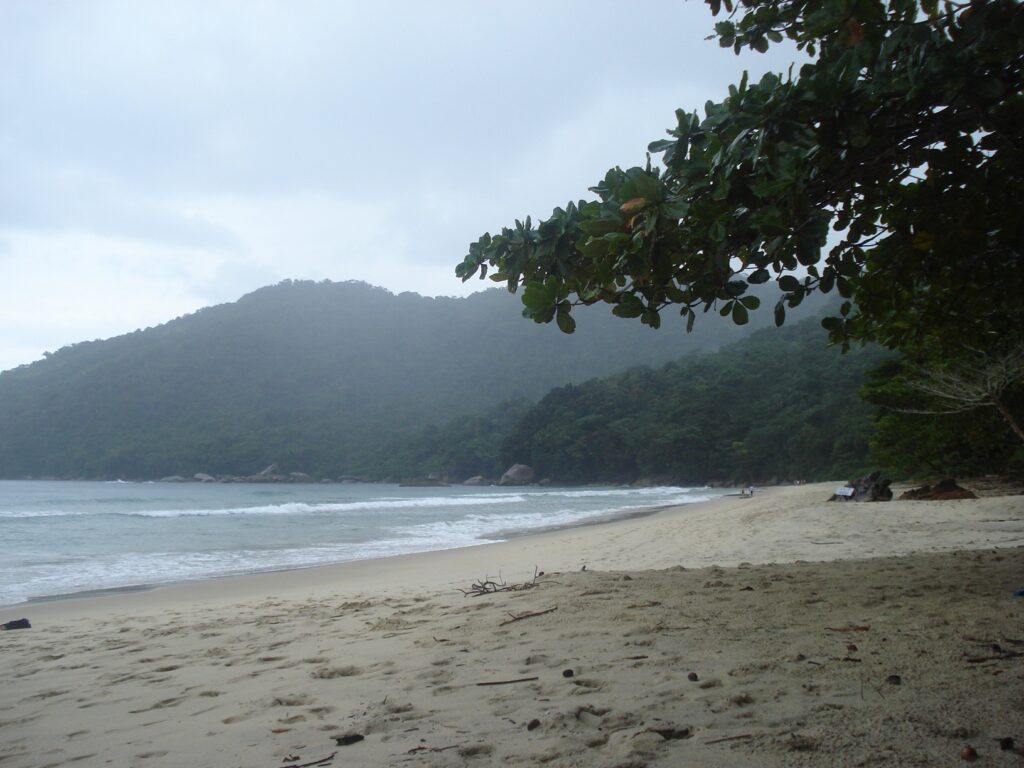
How Brazil Became My Doorway to the World
Before I ever understood what Brazil would become in my life, there was Forrest "Fory" Graham — a musician I played with in high school who seemed to exist outside the psychological boundaries most people quietly accept.
We were kids when we met — two obsessive musicians circling around the same gravitational pull. Some people practice music. Others disappear into it completely. Fory was the latter. We played together constantly, not because anyone told us to, but because music felt like the only thing more interesting than ordinary life itself. There was always another rhythm to chase, another genre to fall into, another possibility hiding somewhere beyond suburbia.
But what made Fory different wasn't just the music.
It was the way he talked about the world.
At an age when most people were thinking about graduation parties and predictable futures, he was casually telling stories about finding ninety-dollar round trip flights to Jamaica, sleeping almost nowhere, meeting strangers on beaches, and somehow returning with stories that sounded larger than reality itself. He made travel feel less like luxury and more like improvisation. Less like tourism and more like a Samba circle.
The idea lodged itself deep inside me.
You could live like this? You could simply go?
That possibility changed everything.
Freedom Through Adaptability
Until then, the world had felt geographically distant and psychologically inaccessible — something reserved for wealthy people, gap years, or fictional characters in movies. But Fory approached travel the same way he approached music: intuitively, fearlessly, and without asking permission from anyone.
He unknowingly introduced me to a philosophy that would later define my life: freedom through adaptability.
Not luxury. Not comfort. Freedom.
At the surface, Fory appears in Chapter 1 of my book The Piano Tuner as a fellow musical savant — another restless kid obsessed with rhythm, improvisation, and possibility. But looking back, he represented something much larger than friendship or music. He embodied an alternate blueprint for living before I even had language for what I was searching for myself.
I began realizing that if you stripped life down to its essentials, the world became astonishingly affordable. Twenty dollars a day suddenly didn't sound impossible. It sounded liberating. Travel stopped feeling like escape and started feeling like education — a direct confrontation with reality beyond the narrow cultural narratives I'd inherited growing up.
That mindset would eventually carry me across the Middle East, China, Hawaii, and beyond.
But Brazil was where it truly detonated.
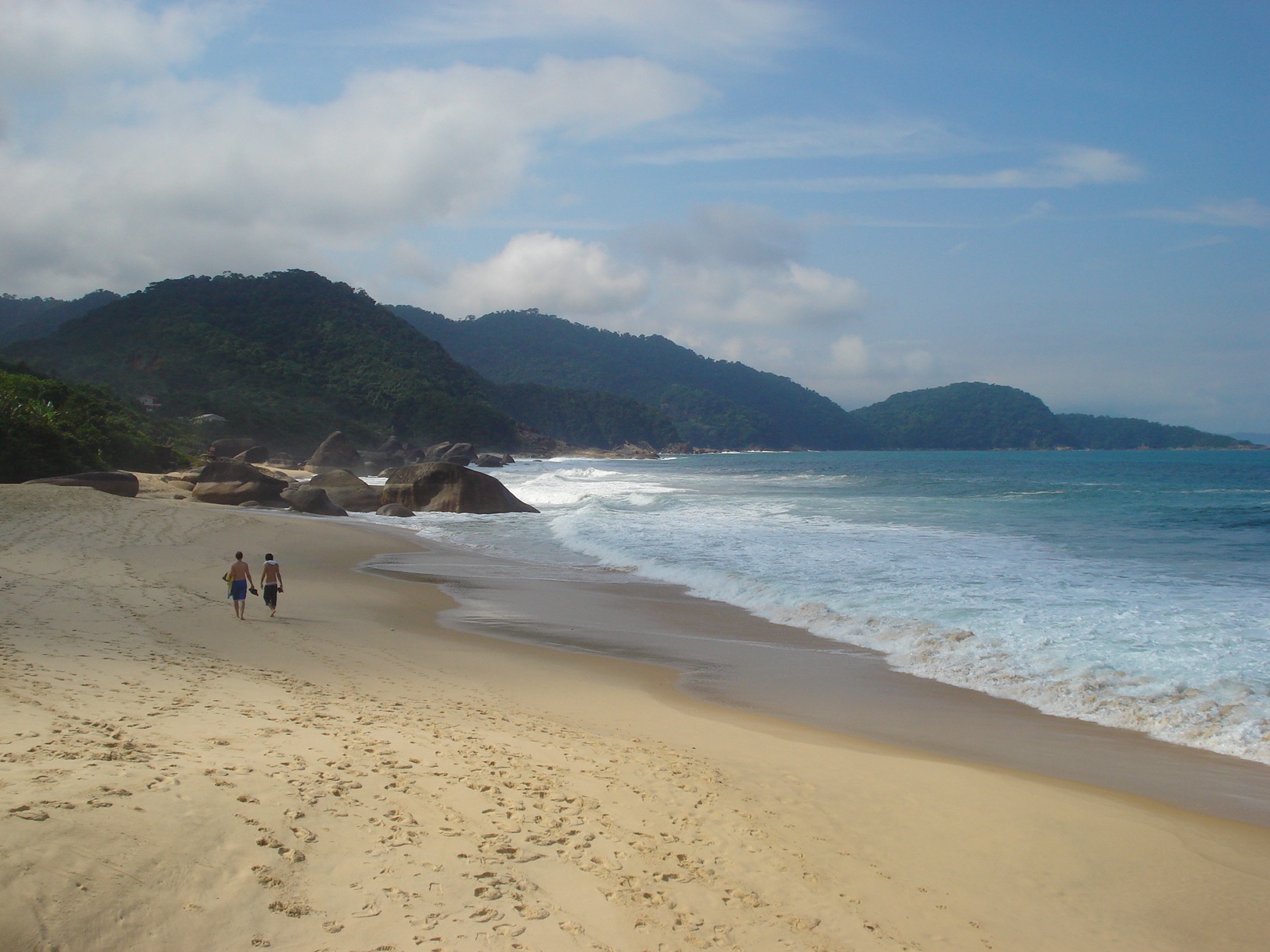
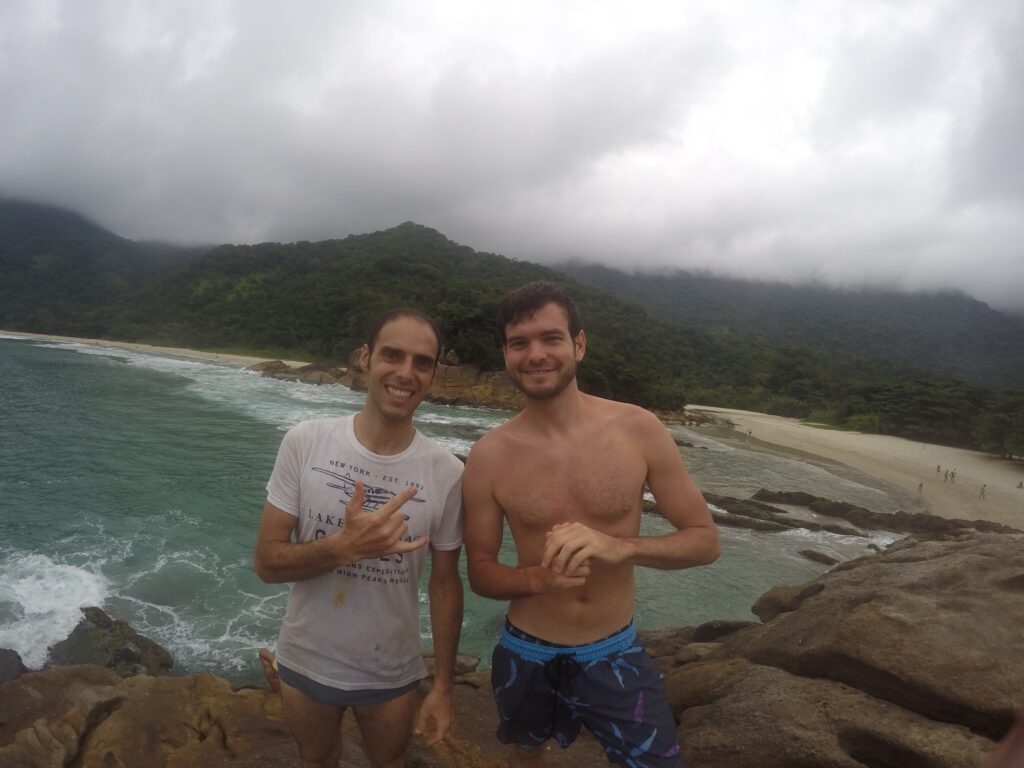
Fory had become deeply immersed in Samba music, eventually moving to Brazil to pursue it seriously. Not as a tourist fantasy, but as a real artistic calling. That mattered to me. He wasn't consuming culture from a distance — he was entering it. Living it. Letting it reshape him.
That was the reason I first went to Brazil.
Not because of beaches or nightlife or postcards, but because someone I trusted had shown me another way to exist in the world — one guided by rhythm, curiosity, and human connection instead of fear.
And Brazil delivered far more than I could have anticipated.
The first trip became the doorway to an entirely different chapter of my life: macrobiotics, healing, nature, spiritual transformation, music, community, and some of the most meaningful friendships I've ever experienced. What began as inspiration through Samba slowly unfolded into an education about embodiment itself — how people move, eat, gather, celebrate, and survive together.
The Strange Mathematics of Life
Looking back now, it's strange how life works.
Sometimes the people who alter your trajectory most profoundly never intend to. They simply live authentically enough that they expand your imagination. Fory never sat me down and told me how to live. He just lived in a way that quietly shattered the illusion that there was only one path.
That's what this video still reminds me of now. Not nostalgia alone, but the origin point of an entirely different relationship to life. A reminder that before the memoir, before the travels, before the camera, there was simply the contagious idea that the world was reachable.
And once that idea enters you, it never really leaves.
When a Country Becomes Identity
Over time, Brazil stopped being somewhere I visited and became interwoven with my actual identity.
The later chapters of my life are impossible to separate from it:
- The friendships
- The yearly returns
- The jungle landscapes
- The conversations stretching late into humid nights
- The afterglow from Ayahuasca
- The feeling that life could still be organic instead of engineered
And eventually, the deepest transformation of all emerged from that path.
I married a Brazilian woman.
Now we have a son together.
That still feels surreal to say sometimes — because if you trace the thread backward carefully enough, it all connects. A high school friend talking about impossible flights and strangers on beaches eventually altered the trajectory of an entire bloodline.
Intuition as Navigation
One person expands your imagination. One trip changes your emotional geography. One country reshapes your understanding of humanity. And before you realize it, what once felt foreign has become family.
When I look at Brazil now, I don't just see a country. I see an unfolding sequence of events that continuously dismantled the illusion that life has to follow a predetermined structure. It became proof that intuition can sometimes guide you more accurately than planning ever could. Watch the companion videos to see where that intuition led.
And in a way, it all started with two young musicians in high school trying to find something larger than the world they had inherited.
That search — for rhythm, freedom, and honest encounter with the living world — is what continues to unfold here at Humans Inspired. You can read more about the journey that followed, or explore how piano tuning made it all possible.